Skip to content

Quick Answer
For effective upholstery odour removal after gatherings, act quickly by vacuuming the fabric with an upholstery attachment to remove dry debris. Next, lightly sprinkle bicarbonate of soda over the surface, leave it for at least four to six hours to absorb moisture and neutralise acidic smells, and vacuum it thoroughly. For deep-set odours like stale smoke, dampness, or spilled drinks, professional hot water extraction is required to safely sanitise the fibres without damaging the delicate backing materials.
Hosting friends, family, or colleagues in a London flat is one of life’s great pleasures. Whether you are hosting a weekend dinner party, a casual Sunday roast, or a festive celebration, your living room is the natural hub of the event. However, once the last guest has departed, you are often left with more than just empty glasses and dirty plates. Soft furnishings, particularly your sofas, armchairs, and fabric dining chairs, act like giant filters that trap airborne particles, moisture, and spills.
If you have noticed a lingering smell of stale food, spilled craft beer, woodsmoke from an open fire, or general mustiness the morning after a party, you are not alone. Fabric fibres are highly porous, meaning they absorb environmental odours rapidly. This comprehensive guide will walk you through the practical steps of restoring your home’s freshness, detailing both immediate DIY rescue methods and when to call in professional support.
Why Soft Furnishings Hold Smells After a Party
To tackle stubborn smells effectively, it helps to understand why they cling to your furniture in the first place. Unlike hard surfaces like wood or laminate, woven fabrics contain thousands of tiny pockets that trap microscopic particles. When guests sit on your sofa, they transfer body heat, natural oils, perfume, and outdoor dust directly into the weave.
Furthermore, high humidity levels—common in crowded, poorly ventilated London flats during social events—cause these odour molecules to bind tightly to the fabric backing. When the room cools down overnight, the moisture evaporates, leaving the smelly organic compounds trapped deep within the cushions. This is why a room that smelled fine during the party can smell distinctly stale the following morning.
Step-by-Step DIY Odour Removal Process
If you want to tackle the problem yourself before calling in the specialists, follow this structured, fabric-safe cleaning sequence. Always check the manufacturer’s care label (usually found under the seat cushions) before applying any treatment.
Step 1: Deep Vacuuming
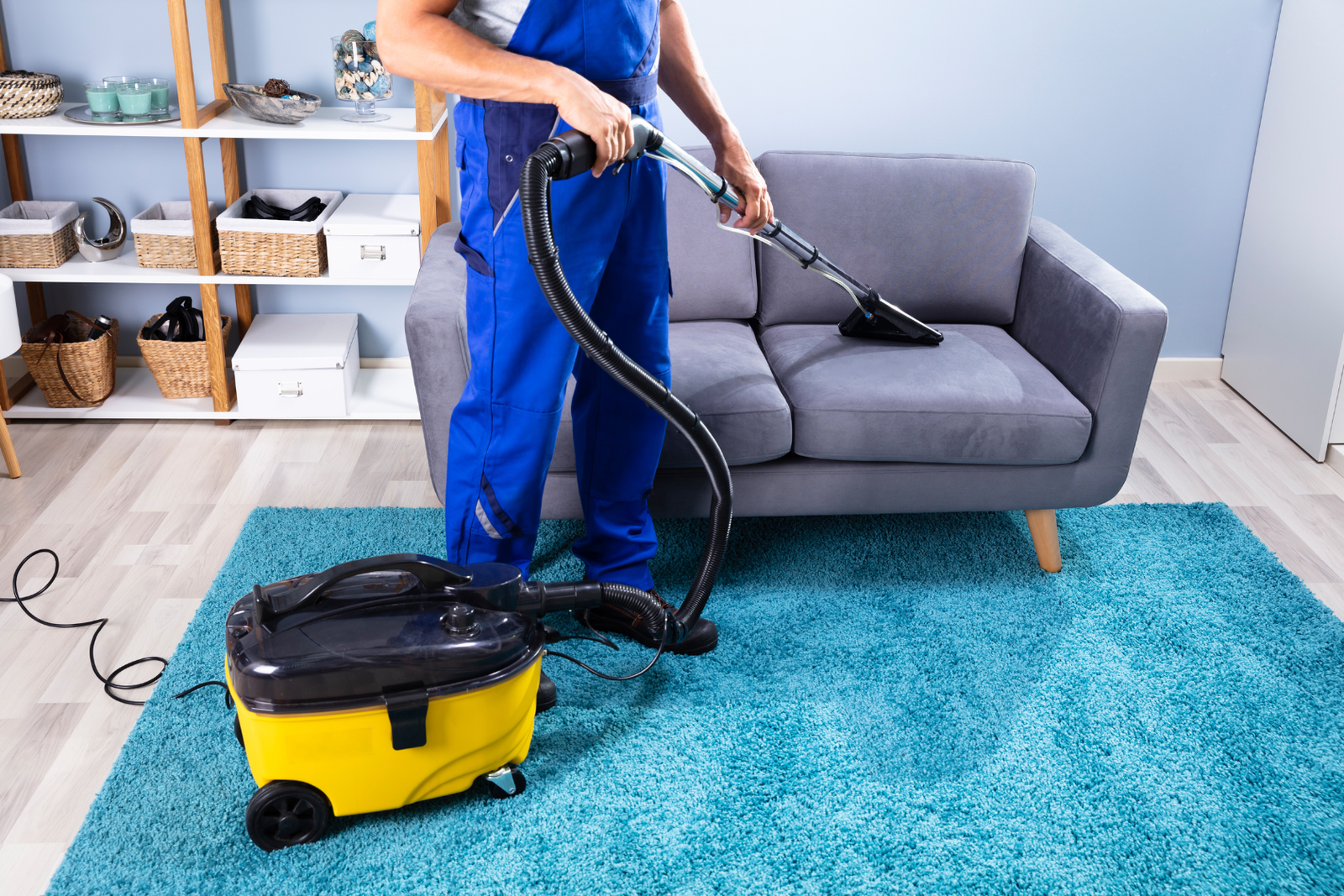
Never skip this step. Spraying deodorisers onto a dusty sofa will only create a sticky, smelly paste. Use a clean vacuum cleaner fitted with a dedicated upholstery tool. Pay close attention to the seams, crevices, and the areas behind the cushions where food crumbs, hair, and dust accumulate. Vacuuming removes the dry organic matter that feeds odour-causing bacteria.
Step 2: The Bicarbonate of Soda Treatment
Bicarbonate of soda (baking soda) is an excellent, non-toxic odour neutraliser. Unlike commercial aerosol sprays that simply mask smells with heavy artificial perfumes, bicarbonate of soda chemically bonds with acidic and basic odour molecules to neutralise them completely.
- Ensure the fabric is completely dry before starting.
- Sprinkle a generous, even layer of bicarbonate of soda over the entire seating area, armrests, and back cushions.
- Leave the powder to sit for a minimum of four hours. For severe smells, leave it overnight.
- Vacuum the powder away carefully using a high-efficiency particulate air (HEPA) filter vacuum to protect your machine’s motor.
Step 3: Gentle Spot Cleaning for Spills
If a specific spill is the source of the smell—such as a splash of red wine, sugary soft drinks, or oily finger foods—you must treat the spot directly. Blot the area immediately with a clean, dry white microfibre cloth. Never rub, as this pushes the liquid deeper into the padding. Use a damp cloth with a tiny drop of mild, fragrance-free washing-up liquid, blot gently, and dry the area with a clean towel.
Common Household Spills and Their Specific Odour Solutions
Different types of party spills require targeted approaches to prevent permanent staining and sour smells. The table below outlines safe, practical treatments for common household mishaps:
| Spill Type | Primary Odour Risk | Immediate Action | What to Avoid |
|---|---|---|---|
| Beer & Wine | Sour yeast, stale alcohol | Blot with cold water and white vinegar (1:1 ratio) | Do not use hot water; it sets the sugars and proteins |
| Oily Foods & Dips | Rancid grease, garlic | Dust with cornstarch to absorb grease, then vacuum | Do not apply heavy liquid soap directly to the spot |
| Sugary Soft Drinks | Sticky, sweet mustiness | Blot with warm water and a drop of mild detergent | Do not leave to dry; sugar attracts dust and mould |
| Pet Accidents (Post-Party Stress) | Ammonia, sharp urine smell | Apply a specialised enzymatic cleaner immediately | Do not use ammonia-based cleaners; they worsen the smell |
Mistakes to Avoid When Cleaning Fabric Sofas
When attempting upholstery odour removal after gatherings, well-meaning homeowners often make critical errors that can permanently ruin their furniture. Be sure to avoid these common pitfalls:
- Over-wetting the fabric: Flooding a sofa with water or liquid cleaners is highly risky. Excess moisture can seep into the internal foam padding, leading to mould growth, musty smells, and rusted springs.
- Using harsh chemical sprays: Cheap fabric fresheners often contain harsh synthetic chemicals that can trigger allergies, leave sticky residues, or cause fabric discolouration.
- Ignoring the care codes: Always look for the cleaning code on your sofa’s label. “W” means water-safe, “S” means solvent-based cleaners only, “WS” means either can be used, and “X” means vacuum only.
- Using heat to dry the sofa: Never use a hair dryer on high heat or an iron to speed up the drying process, as this can shrink synthetic fibres and set stains permanently.
When to Call a Professional Upholstery Cleaner in London
While DIY methods work well for light, surface-level odours, deep-set smells require professional intervention. If your sofa has suffered a major spill, if the smell of stale cigarette smoke from outdoor guests has drifted inside and settled, or if you are dealing with delicate fabrics like velvet, silk, or viscose, professional cleaning is the safest option.
At OneGo Cleaning Masters, we use advanced hot water extraction and low-moisture cleaning systems tailored to your specific fabric type. Our professional-grade deodorisers do not just mask smells; they break down the organic compounds causing the odour at a molecular level, leaving your home truly clean and fresh.
FAQs
How long does it take for a sofa to dry after professional cleaning?
Typically, a fabric sofa will take between 4 to 12 hours to dry completely after a professional hot water extraction service. The exact time depends on the room’s ventilation, ambient temperature, and the specific fabric type. We recommend keeping windows slightly open or using a household fan to speed up the drying process naturally.
Can I use vinegar for upholstery odour removal after gatherings?
Yes, a highly diluted solution of equal parts white vinegar and distilled water can be lightly misted onto water-safe (Code W) fabrics. Vinegar is naturally acidic, which helps neutralise alkaline odours. However, you must never soak the fabric, and you should always perform a spot test on an inconspicuous area first to ensure the dye does not run.
Why does my sofa smell worse after I tried to clean it?
If your sofa smells worse after cleaning, it is usually because the fabric or the underlying foam padding remained damp for too long. This trapped moisture creates a perfect breeding ground for mildew and bacteria, resulting in a sour, musty smell. In these cases, professional extraction is required to thoroughly dry and sanitise the piece.
Will baking soda damage my delicate velvet or wool sofa?
Bicarbonate of soda is generally safe for most dry-clean-only fabrics, including wool blends. However, on delicate materials like genuine silk velvet, the fine powder can sometimes get trapped in the pile. For high-end or delicate designer sofas, it is always safest to consult a professional upholstery cleaning specialist to avoid altering the texture.
How often should I have my living room upholstery professionally cleaned?
For busy London households that host regular gatherings, we recommend scheduling a professional upholstery clean every 6 to 12 months. Regular maintenance not only keeps your home smelling fresh and hygienic but also removes abrasive dust particles that wear down fabric fibres over time, extending the lifespan of your furniture.
Final Thoughts
Successful upholstery odour removal after gatherings does not have to be stressful. By acting quickly, vacuuming thoroughly, and using gentle neutralising agents like bicarbonate of soda, you can easily manage minor post-party smells. For deep-seated odours, stubborn stains, or delicate fabrics, investing in a professional deep clean is the best way to protect your furniture and maintain a healthy, welcoming home environment. If you need expert assistance in London, contact OneGo Cleaning Masters today to restore your soft furnishings to pristine condition.