Skip to content

Safe cleaning chemical extraction in london homes is a practical distinction that can affect tenancy check-out discussions in London. Quick Answer: Safe professional steam carpet cleaning in London relies on precise cleaning chemical dilution, thorough hot water extraction, and active post-cleaning ventilation to eliminate chemical residues. Based on health and safety principles derived from Health and Safety Executive (HSE) cleaning guidelines, professional operators use balanced water pressure and high-powered vacuum recovery to rinse away soil and cleaning solutions, ensuring no harmful detergent film remains on carpet fibres or in underlays across London flats and houses.
Understanding Chemical Safety and Extraction in London Homes
London householders, tenants, and property managers are increasingly focused on indoor air quality, environmental safety, and the elimination of chemical residues in soft furnishings. When arranging steam carpet cleaning london residents often ask critical questions about the safety of pre-sprays, detergents, and spot removers. Cleaning chemicals play a essential role in breaking down greasy soils, pet marks, and tracked-in city grime, but their complete removal through thorough rinsing and extraction is what separates high-quality professional care from substandard practices.
Guidance from the UK HSE cleaning guidance emphasises that chemical safety relies on controlled dilution, appropriate application methods, and effective residual clearance. In residential settings—particularly modern energy-efficient flats or converted Victorian conversions in London—compact rooms and restricted cross-ventilation make chemical management paramount. Failing to extract cleaning solutions completely leaves sticky detergent residue behind, which rapidly attracts fresh dirt, degrades pile texture, and releases volatile organic compounds into enclosed living areas.
Why Chemical Extraction Matters in Residential Carpet Care
Carpet fibres act as a filter in the home, trapping airborne dust, outdoor particulates, and household spills. During deep maintenance, professional technicians apply specialised cleaning solutions designed to emulsify oily binders and suspended dirt. However, if these solutions are left embedded within the pile, several complications arise:
- Rapid Re-soiling: Sticky detergent residues act like a magnet for foot traffic dirt, causing carpets to look grey and soiled shortly after cleaning.
- Fibre Degradation: Un-neutralised high-pH alkaline detergents can stiffen wool fibres, fade sensitive dyes, or cause yellowing in synthetic materials.
- Indoor Air Quality Concerns: Residual active chemical agents can off-gas into small or poorly ventilated London rooms, potentially irritating sensitive airways or skin.
- Subfloor and Underlay Moisture Retention: Excessive wetted solution pushed deep into carpet backing without adequate extraction vacuum power increases drying times and damp risks.
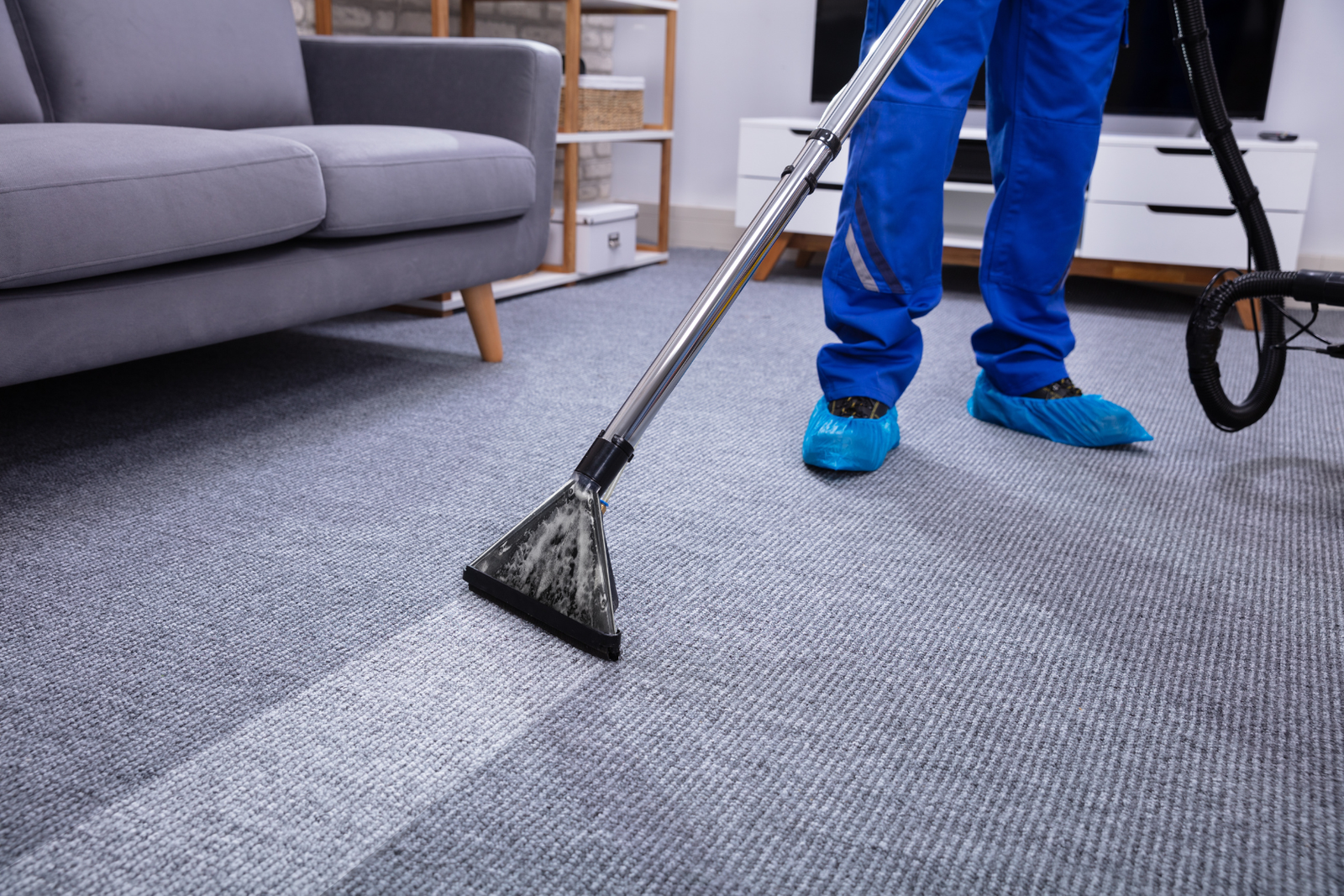
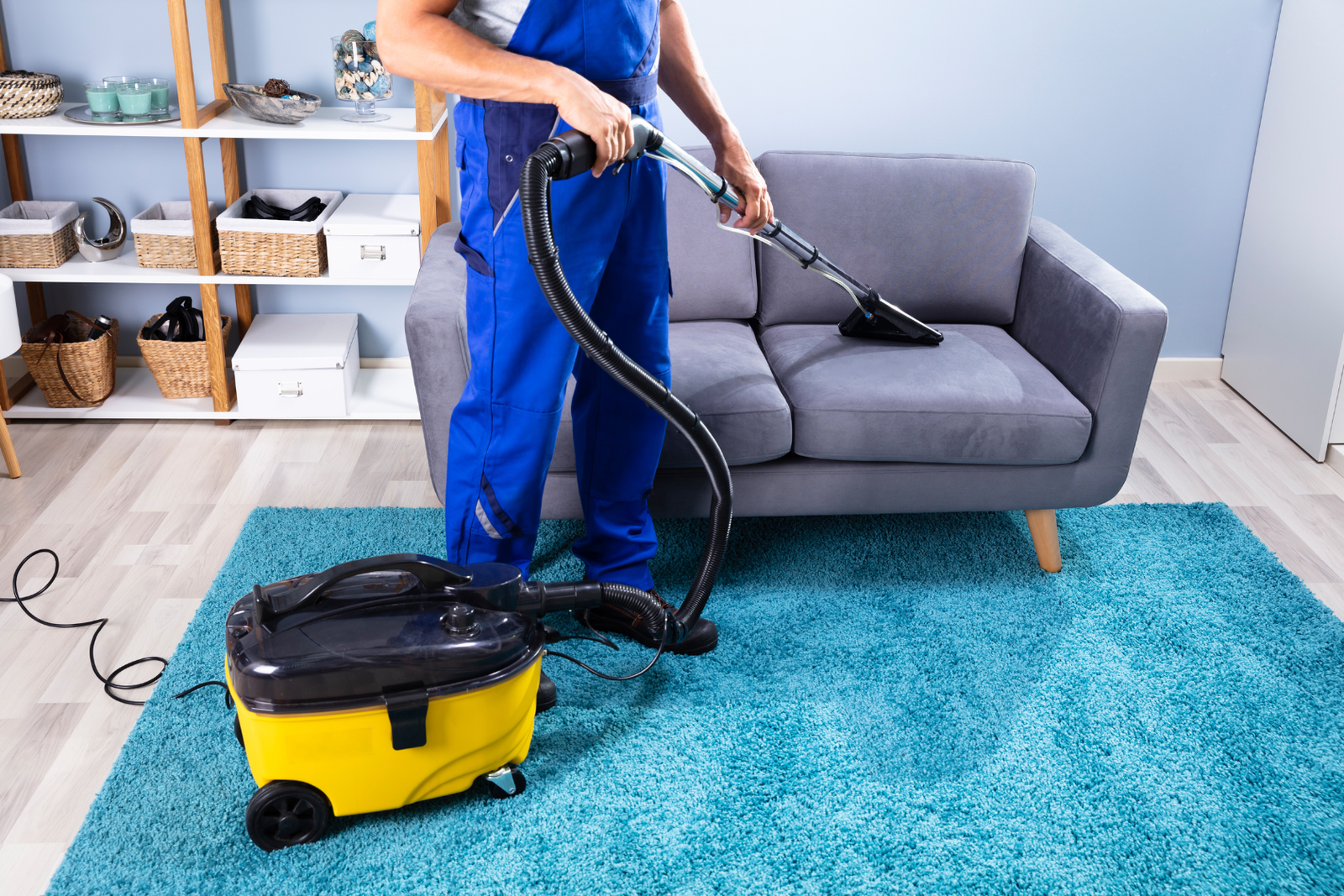
Proper hot water extraction—commonly known as steam cleaning—combines heated water injection with powerful vacuum recovery to rinse out the pre-spray solution thoroughly, leaving carpet fibres clean, soft, and chemically neutral.
Aligning Home Carpet Cleaning with HSE and COSHH Principles
While official HSE regulations primarily govern commercial workplaces, the core tenets of the Control of Substances Hazardous to Health (COSHH) provide a gold standard for residential carpet care. Professional cleaning technicians apply these principles to protect both occupants and property integrity:
1. Risk Assessment and Chemical Selection
Before any cleaning agent touches a carpet, a professional technician inspects the fibre composition (such as pure wool, wool-poly blends, nylon, or polypropylene), backing construction, and existing wear. Mild, biodegradable, or eco-friendly pre-sprays are selected to achieve maximum soil breakdown with the lowest possible chemical intensity.
2. Accurate Dilution Ratios
Using excessive detergent concentration does not produce cleaner carpets; instead, it creates severe residue problems. HSE workplace guidelines highlight the importance of measuring chemicals strictly according to manufacturer specifications. Accurate dilution ensures the pre-spray breaks down dirt effectively while remaining easy to rinse away during extraction.
3. Mechanical Agitation and Dwell Time
Allowing the cleaning agent appropriate dwell time—combined with gentle mechanical grooming or counter-rotating brush agitation—allows the chemical to loosen bonded soil without requiring harsh, high-alkaline formulations. Mechanical agitation reduces reliance on chemical strength alone.
4. High-Efficiency Rinsing and Neutralisation
The core extraction phase utilizes clean heated water mixed with an acidic or neutral rinsing agent. This neutralising step balances the pH of the carpet, breaks down leftover alkaline soaps, and ensures the soft textile is left completely free of detergent stickiness.
Assessing Carpet Fibres and Moisture Extraction Mechanics
Different carpet materials in London residences require tailored pressure, chemical selection, and extraction speeds. Understanding material reactivity prevents common cleaning issues such as shrinkage, colour bleeding, or pile distortion.
Wool and Natural Fibre Care
Wool is naturally absorbent and sensitive to high temperatures and extreme pH levels. High-alkaline detergents can strip natural lanolin oils, leading to fibre brittleness. Safe extraction for wool carpets involves wool-safe approved solutions, moderate water temperature, controlled pressure, and extensive dry vacuum passes to pull out moisture efficiently without felting the pile.
Synthetic Carpet Performance
Nylon, polyester, and polypropylene carpets are highly durable and non-porous, making them resilient to deeper hot water extraction. However, synthetic materials readily trap oil-based soils. Professional technicians use balanced emulsifiers, followed by thorough extraction rinsing, to release trapped grease without oversaturating the carpet underlay.
Step-by-Step Practical Extraction and Safety Checklist
To ensure safe chemical extraction and optimal results in London properties, professional technicians follow a systematic checklist from initial inspection to final drying setup:
| Cleaning Phase | Technical Action & Safety Control | HSE / Best Practice Standard | London Property Consideration |
|---|---|---|---|
| 1. Inspection | Identify fibre type, backing, wear, and dye stability. | Risk assessment prior to chemical use. | Check floorboard ventilation & subfloor condition. |
| 2. Pre-Vacuuming | Remove dry particulate soil using HEPA-filtered vacuum. | Physical removal before liquid application. | Traps urban dust and soot before wetting. |
| 3. Solution Mixing | Precise dilution of mild eco-pre-spray solution. | Controlled COSHH dosage management. | Prevents chemical oversaturation in compact rooms. |
| 4. Agitation | Gently work solution into pile using carpet rake or brush. | Maximises mechanical action over chemistry. | Protects delicate pile integrity. |
| 5. Extraction Rinse | High-pressure injection & high-lift vacuum recovery. | Complete chemical removal & pH balancing. | Prevents moisture accumulation in underlays. |
| 6. Dry Passes | Execute extra vacuum-only passes over extracted areas. | Moisture reduction & accelerated drying. | Crucial for flats without cross-ventilation. |
| 7. Ventilation Setup | Position air movers or instruct window/vent positioning. | Post-cleaning exposure & vapour clearance. | Helps manage London indoor air humidity. |
Hot Water Extraction vs Dry Cleaning Methods
Choosing between hot water extraction and low-moisture dry carpet cleaning depends on carpet construction, drying requirements, and soil conditions. Both methods have distinct chemical management protocols:
For heavy soil, food spills, or general hygiene maintenance, hot water professional steam cleaning provides superior rinsing capabilities because water acts as the ultimate vehicle for flushing out trapped contaminants. When executed correctly with professional-grade extraction machinery, the chemical solution is injected and immediately vacuumed back into a recovery tank, leaving negligible residue behind.
Conversely, low-moisture or dry compound cleaning uses absorbent micro-sponges impregnated with cleaning agents. While dry cleaning offers rapid drying times suitable for delicate water-sensitive weaves, thorough post-cleaning vacuuming is required to extract the spent compound particles fully from the base of the pile.
Practical Limitations and Realistic Expectations
While professional chemical extraction achieves high standards of cleanliness, property owners and tenants should maintain realistic expectations regarding outcomes:
- Stain Permanence: Spills involving chemical dyes, bleach, strong acids, or prolonged pet accidents may permanently alter carpet fibres. Chemical extraction cleans soil but cannot restore degraded synthetic or natural dyes.
- Drying Times Vary: Drying duration depends heavily on ambient room temperature, relative indoor humidity, carpet fibre density, airflow, and underlay construction. No absolute drying time can be guaranteed.
- Subfloor Contamination: If liquid spills or pet urine have soaked deep into timber subfloors or underlay pads, surface carpet extraction alone may not eliminate sub-surface odours without secondary specialized treatments.
- Tenancy Deposit Outcomes: Professional carpet cleaning provides clear evidence of hygiene maintenance for checkout inventories, but final tenancy deposit decisions depend on broader property agreements, inventory reports, and overall property condition.
Common Mistakes to Avoid in Home Carpet Care
Attempting DIY carpet cleaning or hiring uncertified operators can lead to severe chemical safety and moisture errors in residential properties:
1. Using Domestic Rental Machines Incorrectly
Domestic rental units often lack the vacuum lift strength required to extract wetted solutions efficiently. Users frequently over-saturate carpets, leaving gallons of dirty water mixed with detergent deep within the underlay.
2. Over-Dosing Spot Cleaning Chemicals
Applying neat, un-diluted supermarket spot removers directly onto carpet stains creates high-alkaline chemical spots that attract soil continuously and can cause permanent discolouration.
3. Sealing Cleaned Rooms Without Airflow
Shutting all windows and doors in a newly cleaned London flat traps evaporating moisture inside, increasing relative humidity and prolonging drying times unnecessarily. Keeping internal doors open and utilising window trickle vents or extractors promotes air movement.
4. Mixing Incompatible Household Cleaners
Combining different cleaning agents, such as ammonia-based cleaners with bleach derivatives, poses severe health hazards. Chemical solutions must never be mixed unless explicitly formulated for combined use.
Frequently Asked Questions
What is safe chemical extraction in steam carpet cleaning?
Safe chemical extraction involves using precisely diluted cleaning pre-sprays, followed by injecting clean heated water and a neutralising rinse agent while simultaneously extracting the liquid using high-power vacuum recovery. This process removes dissolved dirt and chemical residues, leaving carpet fibres clean and pH-balanced.
Are professional carpet cleaning chemicals safe for homes with pets and children?
Yes, when used by trained professionals who adhere to proper dilution and thorough rinse extraction protocols. Once the extraction phase is complete and the carpet has dried thoroughly, no active chemical residue remains to affect pets or family members.
How does extraction prevent carpets from re-soiling quickly?
When detergent is left in a carpet, it dries into a sticky film that binds to dirt from shoes and socks. Complete extraction rinses away this soap film, restoring the carpet’s natural feel and ensuring it stays clean for much longer.
Why is post-cleaning ventilation important in London flats?
London properties often feature sealed windows and high thermal insulation, which can trap evaporated moisture indoors. Adequate ventilation—such as opening trickle vents, using internal doors, or employing air movers—allows humid air to escape, accelerating carpet drying times.
What is the difference between steam cleaning and dry carpet cleaning?
Steam cleaning (hot water extraction) uses heated water under controlled pressure to flush out deep-seated soil and rinse away pre-sprays. Dry carpet cleaning uses minimal moisture with absorbent compounds or encapsulation polymers, making it suitable for delicate, non-colorfast, or water-sensitive carpet fibres.
Can chemical extraction remove all permanent carpet stains?
No. While professional extraction removes extensive dirt, food spills, and soluble spots, permanent dye damage, chemical burns, or deeply aged stains may require specialized spot treatment or fibre repair, as the underlying textile colour may have been permanently altered.
Final Thoughts
Maintaining clean, hygienic carpets in London homes requires a careful balance between effective cleaning chemistry, mechanical agitation, and rigorous water extraction. By following safety principles mirrored in official HSE cleaning standards, householders can enjoy fresh, soft, and deep-cleaned carpets without worrying about lingering detergent residues or indoor air quality issues. For tailored guidance and professional care, explore dedicated carpet cleaning in London services designed for modern residential properties.