Skip to content

Quick Answer
To pass your final inventory inspection and secure your deposit, your end of tenancy cleaning handover checklist must cover deep-cleaning all appliances (especially the oven and extractor fan), descaling all taps and showerheads, wiping down skirting boards, cleaning inside all cupboards, and ensuring windows are spotless inside and out. Using a structured, room-by-room approach ensures you meet the strict standards required by London landlords and independent inventory clerks.
Why a Detailed Handover Checklist is Essential for London Tenants
Moving out of a rental property in London is a complex process, and securing your tenancy deposit is often the most stressful part. According to the Tenancy Deposit Scheme (TDS), cleaning issues remain the leading cause of deposit disputes between tenants and landlords. An independent inventory clerk does not just look for general tidiness; they inspect the property against the original inventory report with meticulous detail.
Using a comprehensive end of tenancy cleaning handover checklist allows you to systematically address every area of your home. This proactive approach ensures that you do not overlook hidden spots that inventory clerks routinely flag, such as the top of door frames, the inside of light fittings, or lime-scale buildup in hard-to-reach plumbing fixtures. By matching the standards expected during the checkout inspection, you significantly reduce the risk of costly deductions.
It is also vital to understand your legal rights during this transition. For instance, you should be aware of what UK private renting law allows regarding professional cleaning demands. For a detailed breakdown of your legal obligations, read our guide on mandatory carpet cleaning clauses.
Kitchen Deep Cleaning: The Inventory Clerk’s Primary Focus
The kitchen is the most heavily scrutinized room during any checkout inspection. Grease, carbon deposits, and limescale accumulate rapidly here, making it the most common area for failed handovers. To pass, you must clean both the visible surfaces and the interiors of all appliances.
Begin with the oven, hob, and extractor hood. Remove all oven racks and trays, soaking them in a suitable degreasing solution to eliminate burnt-on carbon. Clean the interior walls of the oven, ensuring no greasy residue remains. The extractor fan filter must be degreased or replaced entirely if it is saturated. Clean the glass hob surface carefully to avoid scratching it, and polish all control knobs.
Next, defrost the fridge and freezer completely. Wipe down all internal shelves, drawers, and door seals with an antibacterial cleaner, leaving the doors slightly ajar to prevent mould growth before the inspection. Pull out appliances where possible to clean the floor and wall spaces behind them, as inventory clerks frequently check these hidden zones.
Bathroom Descaling and Sanitisation Standards
London’s hard water leaves stubborn limescale deposits on taps, showerheads, tiles, and glass screens. If left untreated, this buildup is classified as neglect rather than fair wear and tear, leading to automatic deposit deductions.
Apply a professional descaling agent to all chrome fittings, showerheads, and mixing valves. Scrub the grout lines between tiles using a specialized brush to remove orange soap scum and black mould spots. Glass shower screens must be completely free of watermarks and streaks; use a squeegee and a glass polishing cloth for a crystal-clear finish.
Sanitise the toilet bowl, seat, lid, and external porcelain surfaces. Ensure the u-bend is free of staining. Finally, clear all waste pipes and plugholes of hair and soap buildup to ensure water drains freely, as slow-draining sinks are a common red flag on inventory reports.
Living Areas and Bedrooms: Dusting, Walls, and Woodwork
Living rooms and bedrooms require a thorough top-to-bottom cleaning approach. Dust and cobwebs naturally accumulate in high corners, light fixtures, and along decorative plasterwork. Use an extendable duster to clear these areas before cleaning lower surfaces.
Wipe down all woodwork, including skirting boards, door frames, architraves, and window sills. Fingerprints and scuff marks on light switches, plug sockets, and door handles must be removed with a damp microfibre cloth. If there are minor scuffs on the walls, try gently wiping them with a magic eraser, taking care not to remove the paint sheen.
If the property was furnished, you must clean all furniture items. Vacuum upholstered sofas and armchairs, including underneath the cushions. Dust and polish wooden tables, desks, and shelving units. For bedrooms, vacuum the mattress thoroughly and check for any stains that may require spot treatment. If you are planning your move-out timeline, you can coordinate these tasks using our move out cleaning timeline London guide.
Window Cleaning and Glass Clarity
Clean windows let in natural light, which instantly improves the overall impression of cleanliness during an inspection. However, dirty window panes or dusty frames can quickly lead to a failed report.
Wash all window glass internally using a dedicated glass cleaner and a lint-free cloth to ensure a streak-free finish. Do not forget to clean the window frames, sills, and opening mechanisms, which often accumulate dust, dead insects, and condensation mould. If your tenancy agreement specifies that external window cleaning is your responsibility, or if the windows are safely accessible from the ground or a balcony, ensure the outer panes are cleaned to the same high standard.
Floor Care: Vacuuming, Mopping, and Carpet Assessment
Flooring is subjected to constant foot traffic, making it highly susceptible to dirt accumulation and staining. Hard floors, such as laminate, LVT, or tiling, should be thoroughly swept and mopped using a floor cleaner appropriate for the material. Ensure no sticky residue or water streaks remain.
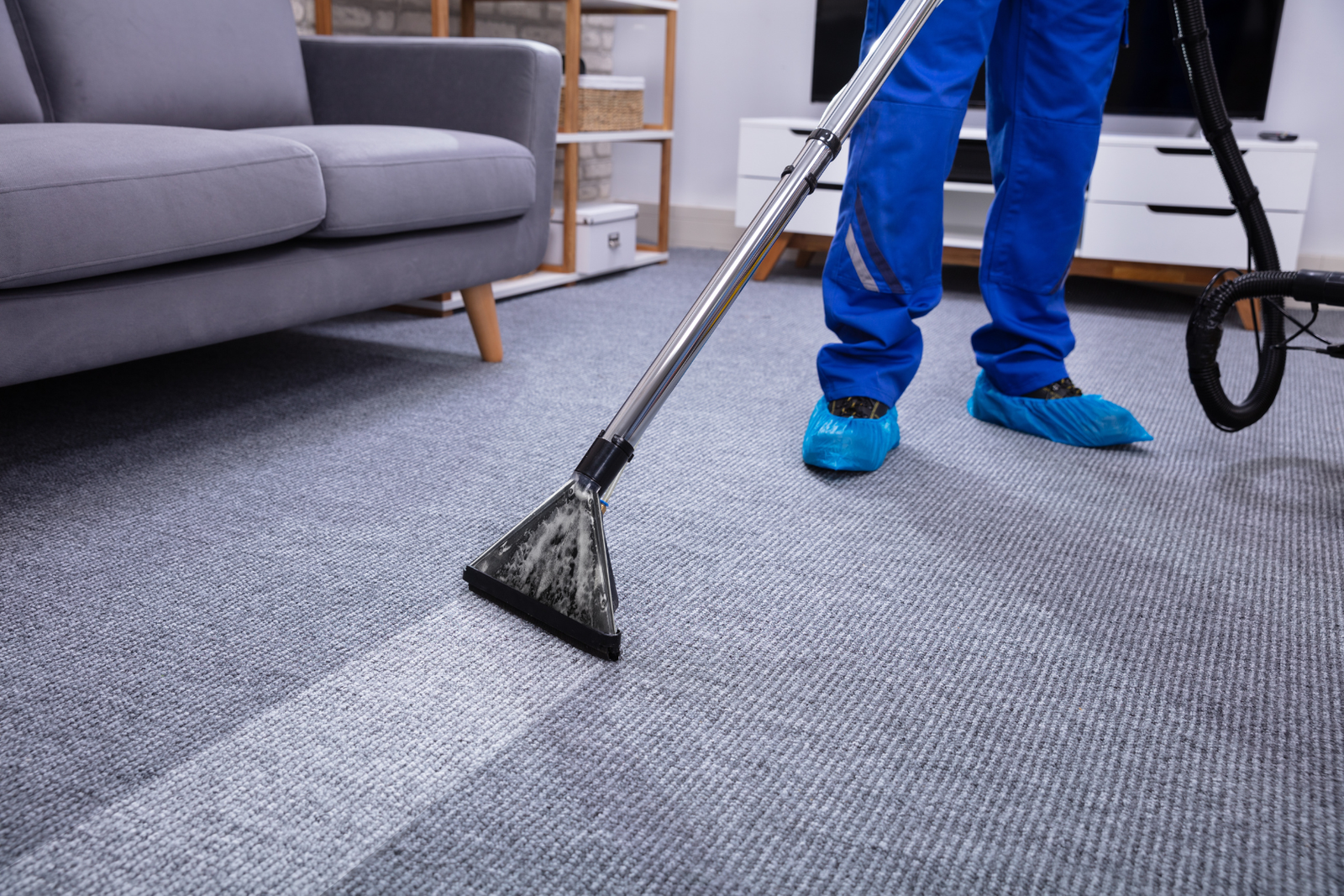
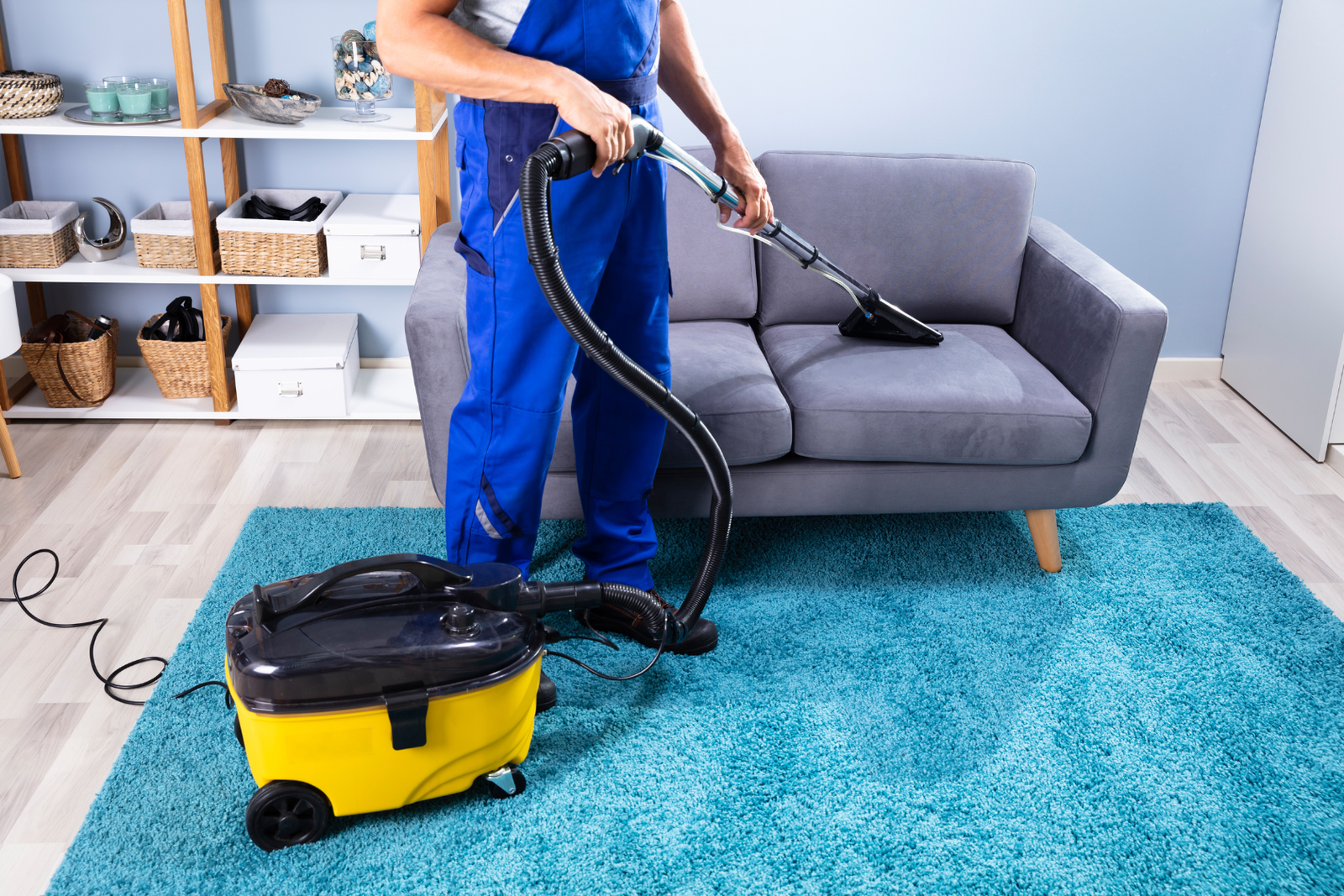
For carpeted areas, a standard domestic vacuum cleaner is rarely sufficient to remove deep-seated dirt and allergens. Professional steam cleaning is often required to restore the carpet fibers and eliminate subtle odours, especially if you have kept pets. To understand how to handle potential carpet issues before your inspection, refer to our guide on carpet stains vs fair wear and tear.
The Complete Room-by-Room Handover Checklist
To ensure no detail is missed, use this structured checklist as you perform your final clean before the inventory clerk arrives:
| Area / Room | Required Cleaning Tasks | Key Inventory Focus |
|---|---|---|
| Kitchen | Clean oven, hob, extractor fan, fridge/freezer, microwave, inside cupboards, sink, and descale taps. | Burnt-on carbon in oven, grease on extractor filter, food crumbs in cupboard corners. |
| Bathrooms | Descale showerheads, taps, and tiles; clean shower screen; sanitise toilet; clear plugholes. | Limescale buildup, mould in grout, watermarks on glass, slow-draining waste pipes. |
| Bedrooms & Living Rooms | Dust light fittings, wipe skirting boards and door frames, vacuum carpets/upholstery, clean mirrors. | Dust on top of wardrobes, scuffs on skirting boards, hair/dust under furniture. |
| Windows & Glass | Clean internal window panes, wipe down frames, sills, and tracks. | Streak marks on glass, dust/condensation mould in window tracks. |
| Hallways & Stairs | Vacuum stairs, wipe banisters, clean entryway floor, dust light switches. | High-traffic dirt marks near entrance, dust on handrails. |
Common Mistakes That Lead to Deposit Deductions
Even with a checklist, many tenants make simple errors that result in landlords withholding part of their deposit. One of the most frequent mistakes is forgetting to clean the washing machine soap drawer and filter. Leftover detergent and stagnant water quickly create black mould, which inventory clerks always document.
Another common oversight is failing to dust the tops of high surfaces, such as kitchen wall units, wardrobes, and door frames. Clerks routinely run a finger along these areas. Additionally, leaving behind rubbish or unwanted personal items—even if you think they might be useful to the next tenant—is classified as a failure to return the property with vacant possession, resulting in removal fees being deducted from your deposit.
Finally, ensure you keep all receipts if you hire professional cleaners. This documentation serves as vital evidence in the event of a dispute. For more information on what paperwork you need to protect yourself, see our article on cleaning receipts for a deposit dispute UK.
When to Hire a Professional End of Tenancy Cleaning Service
While cleaning the property yourself is entirely possible, it requires a significant investment of time, physical effort, and specialized cleaning products. If you are balancing a busy work schedule, packing, and coordinating a move across London, undertaking a deep clean can be overwhelming.
Hiring a professional cleaning service like OneGo Cleaning Masters ensures that the property is cleaned to a professional standard. Professional teams use industrial-grade equipment, such as hot water extraction machines for carpets and specialized dip tanks for oven cleaning, achieving results that are difficult to replicate with domestic tools. Furthermore, reputable services provide a cleaning guarantee, meaning they will return to reclean any disputed areas free of charge if the inventory clerk raises any issues.
Summary of Next Steps
To secure your deposit successfully, start planning your cleaning strategy at least two weeks before your move-out date. Decide whether you have the time and tools to complete the end of tenancy cleaning handover checklist yourself or if hiring professionals is the safer, more convenient option. If you choose the DIY route, tackle one room at a time, starting with the kitchen and bathrooms, and always perform a final walkthrough using your checklist before handing back the keys.
Frequently Asked Questions
What is included in an end of tenancy cleaning handover checklist?
An end of tenancy cleaning handover checklist includes a comprehensive, room-by-room breakdown of all cleaning tasks required to return a rental property to its original state. This covers deep-cleaning appliances, descaling bathrooms, wiping woodwork, cleaning windows, and vacuuming or steam-cleaning carpets.
Can a landlord force me to pay for professional cleaning in London?
Under the Tenant Fees Act 2019, landlords in England cannot legally charge tenants for professional cleaning services or write clauses into contracts requiring them to use a specific cleaning company. However, tenants are legally obligated to return the property in the same state of cleanliness as recorded in the moving-in inventory, minus fair wear and tear.
How clean does a rental property need to be when moving out?
The property must match the exact level of cleanliness documented in the initial inventory report. If the property was professionally cleaned before you moved in, you must return it to that same professional standard, even if you choose to perform the cleaning yourself.
What happens if I fail the final inventory cleaning inspection?
If the inventory clerk notes cleaning deficiencies, the landlord will typically obtain quotes from professional cleaners to rectify the issues. The cost of this cleaning will then be proposed as a deduction from your tenancy deposit through your deposit protection scheme.
Should I clean the windows inside and out before handing back keys?
Yes, internal windows should always be cleaned thoroughly, including the frames and sills. External windows should also be cleaned if they are safely accessible from inside the property, from a balcony, or if your tenancy agreement specifically requires it.
For current official information relevant to this topic, consult Tenancy Deposit Scheme.