Skip to content
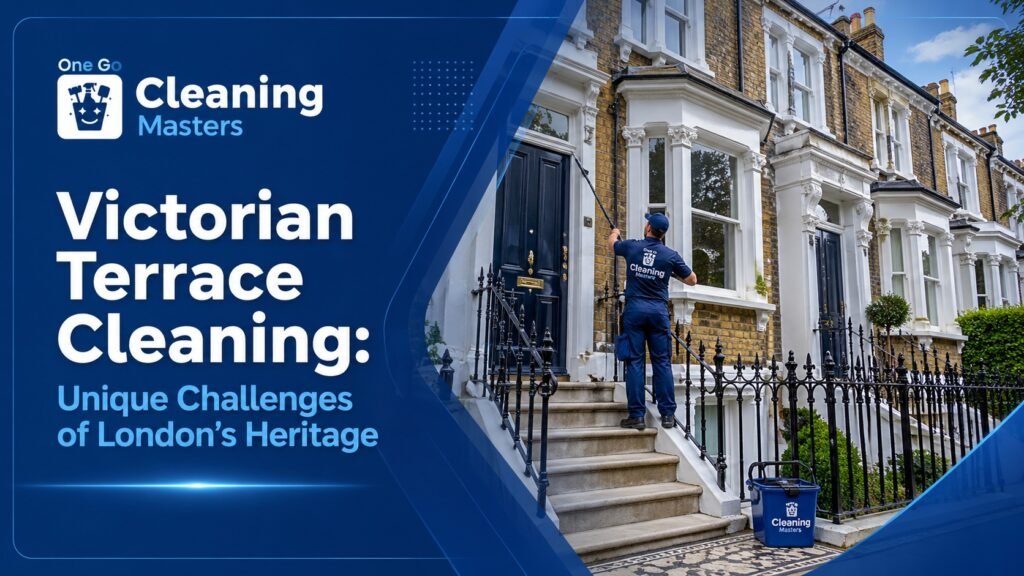
London’s Victorian terraces stand as magnificent testaments to 19th-century craftsmanship, but Victorian house cleaning London properties require specialised knowledge and techniques. These architectural gems, built between 1837 and 1901, present unique cleaning challenges that modern properties simply don’t face. From original timber floors to ornate cornicing, every surface tells a story—and demands careful, expert attention to preserve both beauty and value.
Whether you’re a proud owner of a Victorian terrace or considering purchasing one, understanding the intricacies of heritage property cleaning will help you maintain these historical treasures for generations to come. This comprehensive guide explores the specific challenges Victorian properties present and reveals professional approaches to overcome them.
Understanding Victorian Property Characteristics
Victorian homes were built during an era of unprecedented architectural innovation, resulting in distinctive features that require specialised cleaning approaches. Understanding these characteristics is crucial for effective maintenance.
Original Flooring Materials and Their Challenges
Victorian properties typically feature a variety of original flooring materials, each presenting unique cleaning requirements:
- Encaustic tiles: These decorative ceramic tiles, often found in hallways and porches, are prone to staining and require gentle, pH-neutral cleaning solutions
- Original hardwood floors: Usually made from pine or oak, these floors may have generations of wax buildup and require careful restoration techniques
- Quarry tiles: Common in kitchens and utility areas, these porous tiles absorb grease and moisture, making deep cleaning essential
- Natural stone: Marble, slate, and sandstone thresholds and steps need specialist treatments to prevent damage from modern cleaning chemicals
High Ceilings and Ornate Cornicing
The grandeur of Victorian interiors lies partly in their generous ceiling heights—often 10-12 feet—and elaborate plasterwork. These features create specific maintenance challenges:
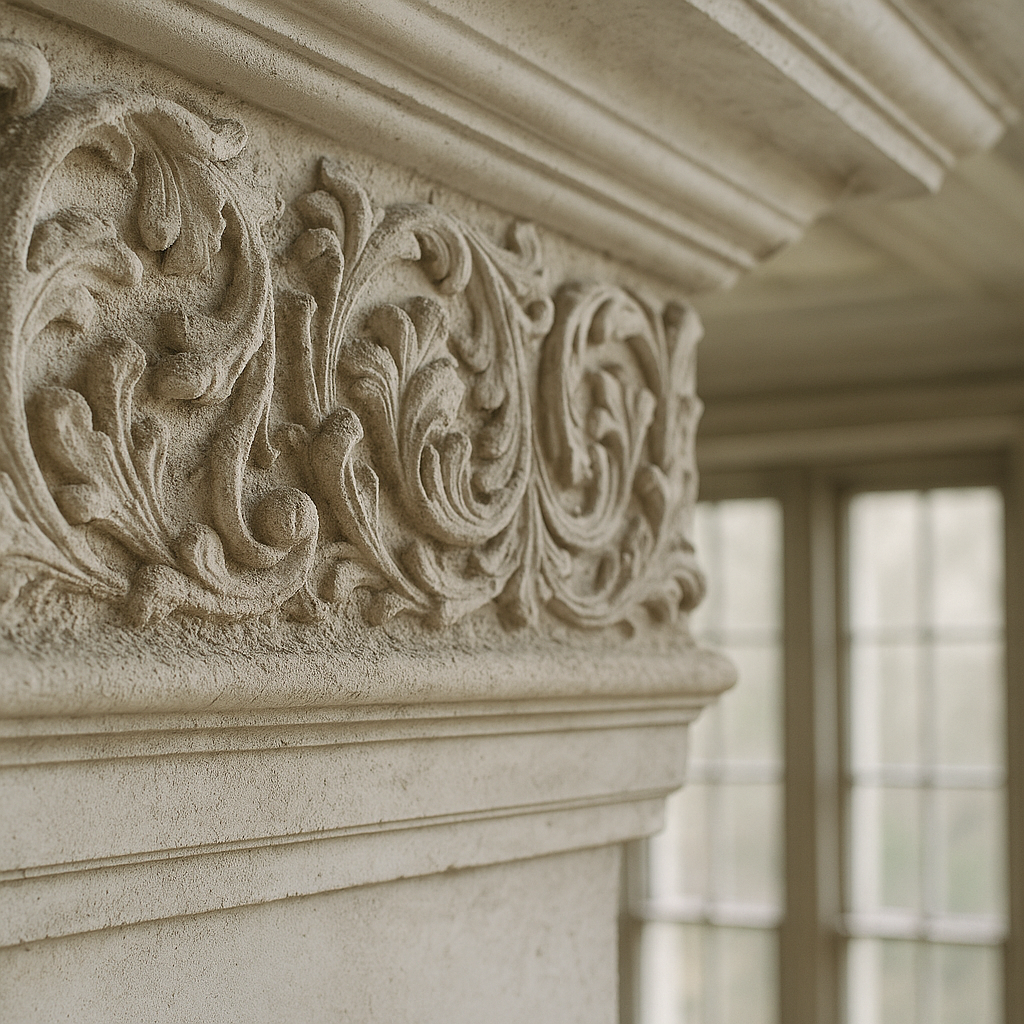
Ornate cornicing and ceiling roses accumulate dust and cobwebs in intricate crevices that standard cleaning tools cannot reach. The height makes access difficult, while the delicate plaster detailing requires gentle techniques to avoid damage. Many Victorian properties retain original lime-based plaster, which can be damaged by harsh chemicals or excessive moisture.
Common Victorian House Cleaning Challenges
Decades or centuries of use have left Victorian properties with accumulated issues that require expert attention. Understanding these challenges is essential for effective period home maintenance.
Historical Soot and Pollution Buildup
London’s industrial past has left its mark on Victorian properties. Coal-fired heating systems and decades of urban pollution have created layers of ingrained soot, particularly problematic in:
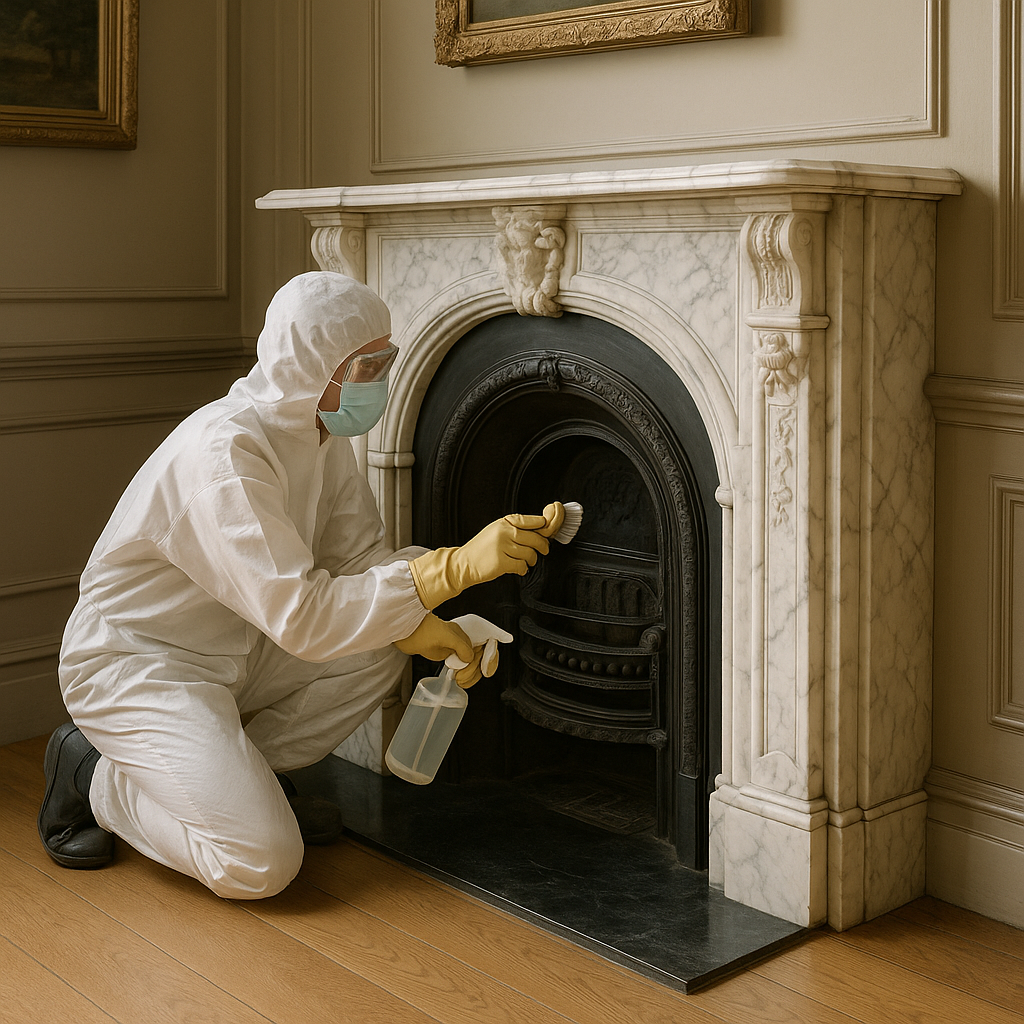
- Original fireplaces and chimney breasts
- Interior walls near former coal storage areas
- External brickwork facing main roads
- Window frames and sills exposed to traffic pollution
This historical contamination penetrates deep into porous materials, requiring specialised removal techniques that don’t damage the underlying surfaces.
Moisture Penetration and Damp-Related Issues
Victorian properties often struggle with moisture problems due to their age and construction methods:
Rising damp affects ground floor walls, creating tide marks and encouraging mould growth. The original lime mortar, while allowing the building to ‘breathe’, can become compromised over time. Penetrating damp through external walls creates internal staining and musty odours that require both cleaning and preventive measures.
These moisture issues create ideal conditions for mould and mildew, which not only pose health risks but also stain and damage original materials if not properly addressed.
Delicate Original Surfaces and Features
Victorian craftsmanship created beautiful but fragile surfaces that modern cleaning products can easily damage:
- Original wallpapers: Hand-printed papers and early machine-made designs are often irreplaceable
- Gilded details: Gold leaf on picture rails and decorative elements can be removed by inappropriate cleaning
- Stained glass: Lead came jointing in windows requires careful cleaning to prevent loosening
- Cast iron features: Original radiators and fireplaces need rust prevention while preserving decorative details
Specialist Cleaning Approaches for Victorian Properties
Effective Victorian house cleaning London requires techniques that balance thorough cleaning with heritage preservation. Professional approaches focus on using appropriate methods and materials.
Heritage-Safe Cleaning Methods
Professional heritage cleaners employ time-tested techniques specifically designed for old building cleaning:
Gentle chemical solutions: pH-neutral cleaners that won’t damage original materials form the foundation of safe cleaning. Natural solutions like diluted white vinegar and specialised heritage cleaning products remove grime without causing chemical damage.
Mechanical cleaning techniques: Soft-bristled brushes, microfibre cloths, and specialised tools designed for delicate surfaces ensure thorough cleaning without abrasion. Steam cleaning at controlled temperatures can effectively sanitise surfaces while being gentle on original materials.
Progressive cleaning approaches: Starting with the mildest effective method and gradually increasing intensity only as needed prevents unnecessary damage to irreplaceable features.
Restoration and Conservation Techniques
Beyond basic cleaning, Victorian properties often require restoration techniques that clean while preserving historical authenticity:
Limewash restoration: Original lime-based wall finishes require specific cleaning and maintenance techniques that work with the material’s natural properties. Professional restorers can clean and renew these surfaces while maintaining their historical integrity.
Wood restoration: Original timber features may need careful stripping of old finishes, cleaning of ingrained dirt, and re-finishing with appropriate period materials. This process can reveal the original beauty while ensuring long-term preservation.
Metalwork conservation: Cast iron and wrought iron features require rust removal, cleaning, and protective treatments that maintain their structural integrity and decorative appeal.
Preventive Maintenance for Victorian Properties
Effective heritage property cleaning extends beyond reactive cleaning to include preventive measures that protect these valuable properties:
Regular Maintenance Schedules
Victorian properties benefit from regular, gentle cleaning rather than infrequent intensive sessions. Monthly dusting of ornate features prevents accumulation that becomes harder to remove. Seasonal deep cleaning of specific areas—such as fireplaces before winter use—maintains both cleanliness and functionality.
Environmental Controls
Managing humidity levels helps prevent mould growth and protects original materials. Proper ventilation, particularly in areas prone to moisture, reduces the cleaning challenges associated with damp-related issues.
Professional vs. DIY Considerations
While homeowners can manage routine maintenance, certain aspects of Victorian property cleaning require professional expertise:
Professional services are essential for high-level cleaning, restoration of original features, dealing with historical contamination, and any work involving potentially hazardous materials like old lead paint.
Homeowner maintenance can include regular dusting, gentle floor cleaning with appropriate products, monitoring for moisture issues, and maintaining good ventilation.
Preserving London’s Victorian Heritage
Proper Victorian house cleaning London practices do more than maintain individual properties—they preserve important architectural heritage for future generations. These magnificent buildings represent significant historical and financial investments that reward careful, knowledgeable maintenance.
Understanding the unique challenges of Victorian properties and employing appropriate cleaning techniques ensures these architectural treasures continue to grace London’s streetscapes. From managing the legacy of industrial pollution to preserving irreplaceable original features, effective heritage property maintenance requires expertise, patience, and respect for historical craftsmanship.
If you’re responsible for maintaining a Victorian property, consider consulting with specialists who understand the unique requirements of heritage buildings. Professional advice can help you develop an appropriate maintenance strategy that preserves your property’s character while ensuring it remains a healthy, beautiful place to live or work.