Skip to content

Pollen on pets carpet cleaning matters because dogs and cats can carry pollen, outdoor dust, and fine debris on their fur, paws, collars, beds, and blankets. As a result, carpets, rugs, sofa arms, entry mats, and pet beds may need more frequent cleaning during pollen season. A wipe-down routine, washable pet bedding, vacuuming, and professional pet odour treatment can help when smells or stains keep returning.
Introduction
Pollen on pets carpet cleaning becomes more important during UK pollen season because dogs and cats can bring outdoor particles into the home after walks, garden time, balcony access, or trips through London parks. Although windows and shoes are common pollen routes, pets can also carry pollen on fur and paws. Therefore, carpets, sofas, rugs, pet beds, and entry areas often need extra attention.
According to the Met Office, tree pollen typically runs from late March to mid-May, grass pollen usually lasts from mid-May until July, and weed pollen can continue from late June to September. Because of this, many London homes deal with a long pollen period across spring and summer. You can read the official seasonal reference here: Met Office guide to UK hay fever season.
For dog and cat owners, the issue is not only airborne pollen. Instead, the real problem is how pollen moves from park paths, grass, shoes, clothing, pet fur, and paws into carpets, rugs, sofas, and pet sleeping areas.
Do Pets Bring Pollen Inside?
Yes, pets can bring pollen inside. Dogs and cats may carry pollen and outdoor dust on their fur, paws, tails, collars, leads, blankets, and toys after being outside.
This matters because pets often move straight from outdoor spaces to indoor soft furnishings. For example, a dog may walk through a London park, enter the hallway, rub against the sofa, lie on a rug, and then rest in a pet bed. As a result, pollen and outdoor dust can spread across several surfaces in a short time.
In many homes, the highest pollen-transfer zones are:
| Home Area | Why Pollen Collects There |
|---|---|
| Entry mats | Pets and shoes bring particles in first |
| Hallway carpets | Paws pass through the same route daily |
| Living room rugs | Pets often rest or roll there |
| Sofa arms | Cats and dogs brush against them |
| Sofa cushions | Pets may sleep or sit beside owners |
| Pet beds | Fur, dander, pollen, and odour collect together |
| Stair carpets | Dogs carry particles between floors |
| Car boot blankets | Pollen can move from car to home later |
Therefore, pet-owner cleaning should focus on zones, not only whole-room cleaning.
Why Pollen Season Feels Worse in Pet Homes
Pet homes can feel harder to keep fresh during pollen season because several things collect together: pollen, pet hair, pet dander, dust, mud, odour, and everyday fabric soil.
Moreover, many London homes and rental flats have limited airflow, smaller rooms, shared entrance points, and soft furnishings in close spaces. Because of this, pollen and pet-related particles may settle quickly into fabric surfaces.
For example, a dog owner near a park may wipe muddy paws after a walk. However, if the dog then sleeps on the same rug every day, pollen, fur, and odour may still collect in the fibres. Similarly, a cat that sits on window ledges or balcony areas may carry fine dust and pollen onto sofa cushions.
This is why regular vacuuming helps, but it may not be enough when odour patches, staining, or deep-set dirt are already present.
The Pet-Owner Pollen Pathway: From Park to Sofa
Most pet pollen problems follow a simple route.
| Step | What Happens | Cleaning Risk |
| Outdoor walk | Pet moves through grass, weeds, paths, or dusty pavements | Pollen sticks to fur and paws |
| Entry point | Pet enters through hallway or front door | Mats and carpets collect particles |
| Living room | Pet lies on rug or sofa | Pollen and dander transfer to fabric |
| Sleeping area | Pet rests in bed or blanket | Odour and dander build up |
| Repeat routine | Same path happens daily | Cleaning load increases |
Because this cycle repeats, the problem is usually gradual. At first, the home may only look slightly dusty. However, after several weeks of pollen season, rugs, sofa arms, and carpet traffic lanes can feel dull or smell less fresh.
Daily Wipe-Down Routine for Dogs and Cats
A simple wipe-down routine can reduce how much pollen reaches carpets, sofas, and rugs.
After outdoor time, focus on:
- Paws
- Lower legs
- Belly area
- Tail
- Around the collar
- Outer fur
- Lead or harness
- Pet coat, if used
Use a pet-safe wipe or a slightly damp microfibre cloth. Then, dry the area gently before the pet moves around the home. This step is especially useful after park walks, wet grass, dusty pavements, and high-pollen days.
However, avoid over-bathing pets without veterinary advice, because frequent bathing may irritate some animals’ skin. Instead, use light daily cleaning and keep deeper grooming suitable for the pet’s coat type.
Entry Mats and Hallway Carpet Zones
Entry areas are the first defence against pollen. Therefore, they should be cleaned more often during pollen season.
Use this simple routine:
| Area | Cleaning Routine |
| Door mat | Shake outside and vacuum regularly |
| Hallway carpet | Vacuum slowly in repeated passes |
| Pet towel area | Wash towels every few days |
| Lead and harness basket | Wipe or wash items when dusty |
| Shoe zone | Keep shoes away from pet beds and rugs |
In addition, place a washable mat or towel where your dog usually stands after a walk. This helps stop pollen and paw dust from spreading further into the home.
If hallway carpets already smell musty or show traffic lanes, a professional clean may be useful because hallway fibres often trap repeated outdoor soil.
Pet Beds: The Main Pollen and Odour Zone
Pet beds can collect pollen, dander, fur, saliva, food crumbs, and odour. Because pets sleep there for long periods, these beds often hold more particles than owners expect.
For this reason, pet beds should be washed more frequently during pollen season.
A practical routine:
| Pet Bed Item | Suggested Care |
| Removable cover | Wash weekly during high pollen periods |
| Blanket | Wash every few days if used daily |
| Inner cushion | Air and vacuum where safe |
| Nearby rug | Vacuum often and rotate if possible |
| Soft toys | Wash or replace when heavily soiled |
However, always follow the care label. Some pet beds cannot handle hot washing or tumble drying. In that case, vacuuming, airing, and using washable covers can help.
Rugs in Pet Homes: Why They Need Extra Care
Rugs are common resting spots for dogs and cats. Meanwhile, they also sit in the exact areas where people walk, children play, and pets lie down. As a result, rugs often collect pollen, fur, pet dander, dust, and odour together.
This is especially true for:
- Living room rugs
- Bedroom rugs
- Hallway runners
- Rugs near patio doors
- Rugs beside pet beds
- Rugs under sofas
- Rugs in rental flats
For pet owners, rug cleaning should not be treated as an occasional task only. Instead, it should be part of the pollen-season routine. Vacuuming helps with loose hair and surface dust. However, where odour, stains, or dullness remain, professional Area Rug Cleaning London can be helpful.
Rug Cleaning Tips for Pet Owners
- Vacuum rugs slowly, not quickly.
- Turn lightweight rugs and clean underneath.
- Keep pet beds off delicate rugs where possible.
- Blot fresh marks instead of rubbing.
- Rotate rugs if pets always lie in one corner.
- Wash small washable rugs according to the label.
- Avoid strong DIY chemicals on delicate fibres.
Most importantly, check whether the rug has a backing, fringe, wool content, or dye sensitivity before using any cleaning product.
Sofa Arms, Cushions and Pet Dander Sofa Cleaning
Sofas collect pollen differently from carpets. Dogs may brush against sofa arms, while cats may sit on cushions, climb backs, or rest near windows. Therefore, pollen and pet dander often gather in corners, seams, arms, and cushion gaps.
Pet dander sofa cleaning matters because dander, fur, pollen, and odour can sit together in upholstery fabric. In addition, sofa arms often absorb contact from paws, faces, and coats.
Focus on these zones:
| Sofa Area | Why It Needs Attention |
| Sofa arms | Pets rub against them often |
| Cushion seams | Hair and dust settle in gaps |
| Back cushions | Cats often climb or sleep there |
| Under cushions | Crumbs, hair, and dust collect |
| Pet’s favourite corner | Odour and dander build faster |
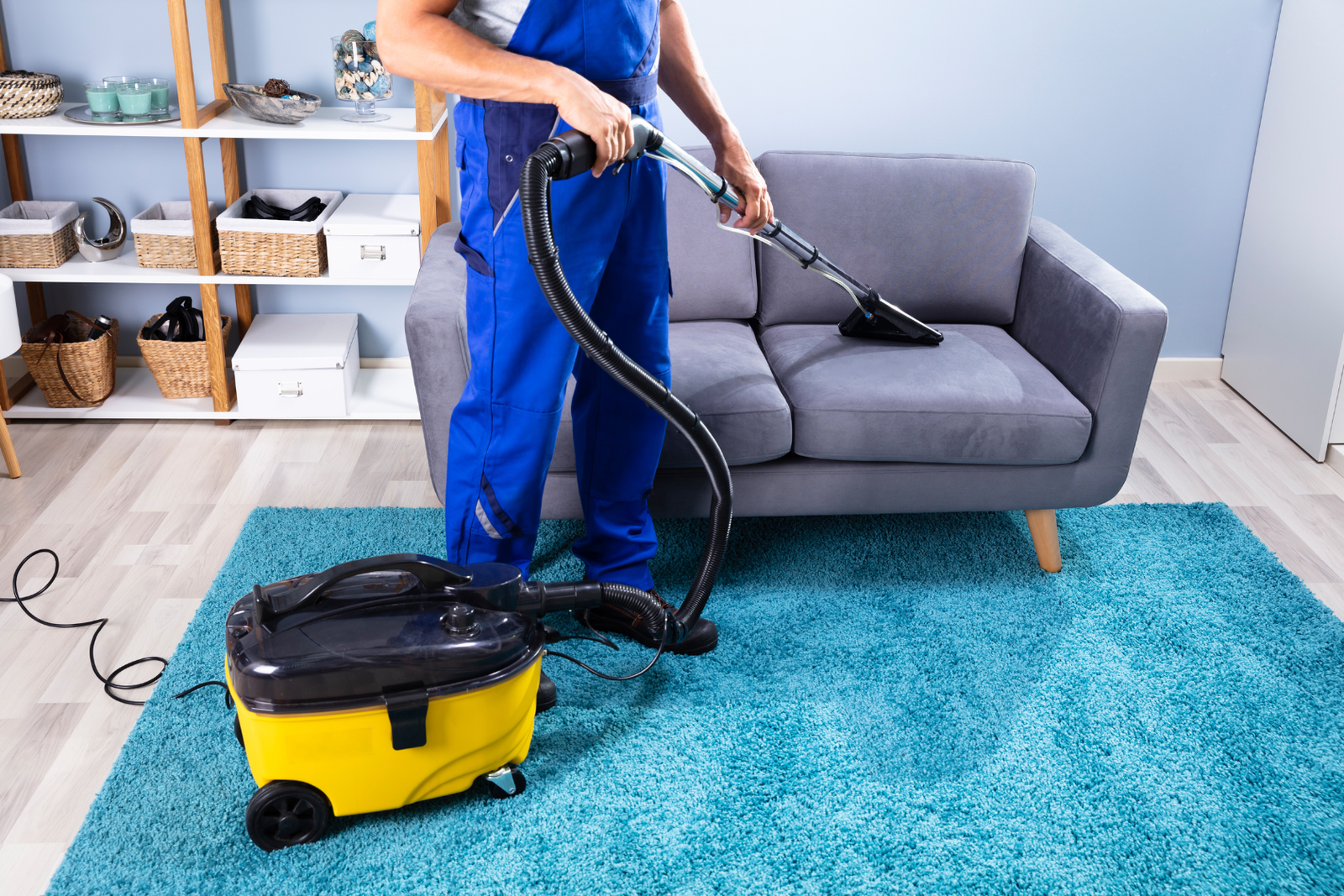
A vacuum with upholstery attachment can help. However, check the sofa care label before using moisture or cleaning sprays. If there are odour patches or visible stains, professional upholstery cleaning may be safer than repeated DIY attempts.
Carpet Zones Pet Owners Should Clean More Often
Carpets do not collect pollen evenly. Instead, some zones collect more because pets and people repeat the same routes.
High-risk carpet zones include:
- Front door to living room path
- Hallway traffic lanes
- Area around pet bowls
- Stair carpet edges
- Carpet beside sofa
- Carpet under pet bed
- Bedroom carpet where pets sleep
- Rental flat living room carpet
Therefore, carpet cleaning should focus on these zones first. Regular vacuuming is useful, but it should be slow and repeated. Also, if the pet sheds heavily, vacuuming once may not remove all embedded hair.
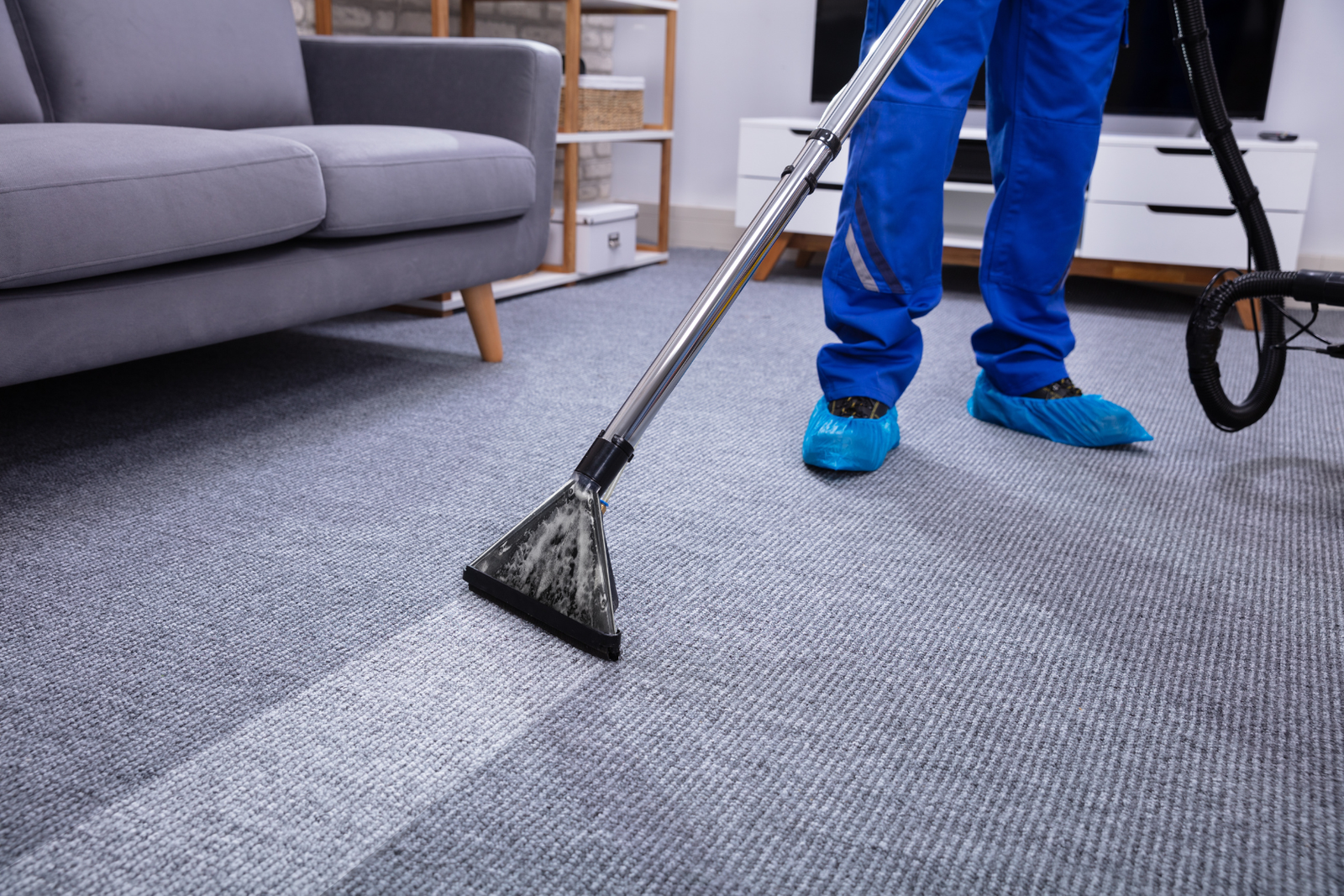
For deeper pollen, dust, odour, and pet-mark cleaning, OneGo Cleaning Masters provides Carpet Cleaning London for homes, flats, rental properties, and pet-owner households.
Pet Odour Carpet Cleaning: When Is Treatment Needed?
Pet odour carpet cleaning is needed when normal vacuuming, airing, and surface cleaning do not remove the smell.
This may happen when:
- Urine has reached carpet backing or underlay
- Damp pet fur repeatedly touches the same area
- Pet beds sit on carpet for long periods
- Food or saliva marks stay untreated
- Old stains were cleaned incorrectly
- The room smells worse in warm weather
- The same patch smells after every vacuum
Because pollen season often overlaps with warmer weather, pet odours can become more noticeable. As a result, pet owners may think pollen is the only issue, although odour may also be trapped in carpet fibres or underlay.
In these cases, Pet Stain & Odour Removal may be needed. However, full odour removal depends on how deep the contamination has reached, how long it has been there, and whether the underlay has been affected.
Cleaning Routine for London Dog Owners
London dog owners often deal with parks, pavements, shared entrances, communal hallways, stair carpets, lifts, and small flats. Therefore, a practical routine matters more than heavy cleaning once a month.
| Time | Action |
| After every walk | Wipe paws and lower fur |
| Daily | Vacuum pet routes and sofa corners |
| Every few days | Wash pet towels and blankets |
| Weekly | Wash pet bed covers and clean entry mats |
| Monthly | Check rugs, sofa arms, and odour patches |
| Seasonally | Book professional carpet, rug, or upholstery cleaning if needed |
This routine is especially useful for flats near parks, gardens, canals, or busy roads, where outdoor dust and pollen can enter together.
Cleaning Routine for Cat Owners
Cats may not go on walks like dogs, but they can still carry dust and pollen from balconies, gardens, open windows, window ledges, and outdoor access points.
Therefore, cat owners should pay attention to:
- Window ledges
- Sofa backs
- Cushions
- Cat beds
- Rugs near sunny spots
- Scratching posts
- Fabric cat towers
- Blankets
- Carpeted stairs
In addition, cats often choose the same resting spot every day. Because of this, dander, fur, and pollen can collect in one area and become more noticeable over time.
Use a fabric-safe vacuum attachment for sofas and rugs. Also, wash blankets more frequently during pollen season.
Rental Flats: Why Pet Pollen and Odour Need Extra Attention
Pet owners in London rental flats should be careful because carpets, sofas, and rugs may be checked during tenancy inspections or move-out cleaning.
In many rental properties, odour is a bigger issue than visible dirt. Therefore, a carpet may look acceptable but still smell stale, damp, or pet-affected.
This is common in:
- Studio flats
- Shared flats
- Furnished rentals
- Ground-floor flats
- Flats near parks
- Homes with limited ventilation
- Properties with old carpet underlay
Before checkout, tenants should check:
- Pet sleeping zones
- Carpet near the entrance
- Living room rug
- Sofa arms
- Under cushions
- Stair carpets
- Any urine-marked area
- Pet feeding zones
If odour remains after basic cleaning, professional treatment may be needed before the final inspection.
DIY Cleaning vs Professional Cleaning
Some pollen and pet cleaning can be handled at home. However, some problems need professional equipment and inspection.
| Situation | DIY Cleaning May Be Enough | Professional Cleaning May Be Needed |
| Light pollen on fur | Wipe-down routine | Not usually needed |
| Surface pet hair | Vacuuming | If embedded in rugs or upholstery |
| Washable pet bed cover | Machine washing | If odour remains in cushion |
| Light rug dust | Vacuum and rotate | If rug smells or has stains |
| Sofa hair | Upholstery attachment | If odour, stains, or deep dander remain |
| Carpet odour | Airing and vacuuming | If smell returns after cleaning |
| Urine stain | Blot fresh mark | If urine has soaked deep |
In practical terms, professional cleaning is most useful when the problem is not only loose pollen but also odour, stains, embedded dust, or repeated pet traffic.
Mistakes Dog and Cat Owners Should Avoid
Avoid these common mistakes during pollen season:
- Letting pets go straight from grass to sofa
- Using one old towel for weeks
- Rubbing fresh pet stains
- Spraying strong fragrance over odour
- Ignoring pet beds
- Cleaning only visible fur
- Forgetting sofa arms and cushion seams
- Using unsuitable products on rugs
- Waiting too long after urine accidents
- Leaving damp rugs without airflow
- Using too much water on upholstery
- Assuming vacuuming removes all odour
Most importantly, do not cover pet odour with perfume sprays. That may hide the smell for a short time, but it does not treat the source.
Signs Your Home Needs Professional Pet Cleaning
Professional cleaning may be needed when:
- Carpet smells return after vacuuming
- Sofa arms feel greasy or dusty
- Pet bed area smells even after washing covers
- Rug corners look dull or dark
- Stains keep reappearing
- Visitors notice pet odour
- Your rental inspection is approaching
- You have tried DIY products without improvement
- Pollen season has made the home feel dusty
- A pet accident has reached carpet backing or underlay
At the same time, professional cleaning should be realistic. Some old stains, bleach marks, colour loss, burns, and deep underlay odours may not fully disappear. A proper technician should inspect the area and explain what can safely be improved.
Practical London Pet-Owner Cleaning Plan
Use this simple plan during tree, grass, and weed pollen months.
| Area | Action | Frequency |
| Pet paws and lower fur | Wipe after outdoor time | After walks |
| Entry mat | Shake and vacuum | Daily or every few days |
| Hallway carpet | Slow vacuum passes | 2–4 times weekly |
| Sofa arms | Vacuum with upholstery tool | Weekly |
| Pet bed cover | Wash according to label | Weekly |
| Rugs | Vacuum both sides if possible | Weekly |
| Pet blankets | Wash more often in pollen season | Every few days |
| Odour zones | Inspect and treat early | As soon as noticed |
| Carpets and upholstery | Professional cleaning if needed | Seasonal or problem-based |
Because London homes vary, adjust this routine based on pet size, coat type, outdoor access, flooring, and whether the property is rented or owned.
Final Thoughts
Pollen on pets carpet cleaning is not only about removing visible fur. It is about stopping pollen, outdoor dust, dander, and odour from moving through the home from paws and coats to carpets, rugs, sofas, and pet beds.
During pollen season, small habits can make a noticeable difference. Wipe pets after outdoor time, wash bedding more often, vacuum pet routes slowly, check sofa arms, and keep rugs away from repeated damp or dirty paw contact.
However, if pet odour, stains, or deep dust keep returning, professional cleaning may be the better option. OneGo Cleaning Masters can support London pet owners with carpet cleaning, rug cleaning, sofa cleaning, and pet stain and odour treatment where suitable.
Book Pet Stain & Odour Removal with OneGo Cleaning Masters. Call or WhatsApp +44 7570 563799.
FAQs
Do pets bring pollen inside the home?
Yes, pets can bring pollen inside on their fur, paws, tails, collars, leads, bedding, and toys. Dogs may collect pollen during walks through grass, parks, and dusty pavements, while cats may pick it up from balconies, gardens, window ledges, or outdoor access. As a result, pollen can transfer to carpets, rugs, sofas, pet beds, and entry mats. A simple wipe-down routine after outdoor time can reduce how much pollen reaches soft furnishings.
How often should pet owners clean carpets during pollen season?
Pet owners should vacuum high-traffic carpet zones several times per week during pollen season, especially hallways, entry areas, stairs, and pet sleeping zones. However, professional carpet cleaning does not need to happen weekly. Instead, it may be useful seasonally or when carpets smell, look dull, hold stains, or feel dusty after regular vacuuming. In addition, rental flats may need deeper cleaning before inspection or move-out.
What is the best way to clean pollen from rugs in a pet home?
The best first step is slow vacuuming with attention to corners, edges, and the pet’s favourite resting spot. If the rug is lightweight, clean underneath as well because dust and hair often settle below it. Also, rotate rugs where possible so one area does not take all the pet traffic. However, if the rug smells, has stains, or is delicate, professional rug cleaning may be safer than using strong DIY products.
Can pet dander and pollen collect on sofas?
Yes, pet dander and pollen can collect on sofa arms, cushion seams, backs, and corners. This is especially common when dogs brush against sofa arms or cats sleep on cushions and sofa backs. Therefore, sofa cleaning should focus on fabric gaps and pet-favourite areas. Regular vacuuming helps, but if odour, staining, or deep dander remains, professional upholstery cleaning may be needed.
Why does my carpet smell worse during warm pollen season?
Warm weather can make existing pet odours more noticeable, especially if urine, damp fur, saliva, or pet bed smells have settled into carpet fibres or underlay. Meanwhile, pollen season often brings more outdoor activity, so pets may carry more dust and debris inside. As a result, the carpet can feel less fresh even if it looks clean. If the smell returns after vacuuming, pet odour treatment may be needed.
Are entry mats important for dog owners?
Yes, entry mats are very important for dog owners because they catch some pollen, dust, and paw debris before it reaches the carpet. However, mats only help if they are cleaned regularly. Shake them outside, vacuum them often, and wash washable mats according to the care label. In addition, keep a pet towel near the door so paws and lower fur can be wiped after walks.
Should I wash my pet’s bed more often in pollen season?
Yes, pet beds and blankets should usually be washed more often during pollen season because they collect fur, dander, pollen, saliva, and odour. Removable covers are useful because they can be washed more frequently. However, always follow the care label, because some pet beds can shrink or lose shape. If the bed still smells after washing, check the inner cushion and the carpet or rug underneath.
When should I book professional pet stain and odour cleaning?
Book professional pet stain and odour cleaning when smells return after vacuuming, stains keep reappearing, urine has soaked into carpet, sofa fabric smells stale, or pet areas feel dusty and dull despite regular cleaning. Also, consider professional cleaning before a rental inspection or move-out if pets have used the property heavily. However, results depend on fabric type, stain age, odour depth, and whether the underlay has been affected.
Disclaimer
This blog provides general cleaning guidance for pet-owner homes during pollen season. It is not medical, allergy, veterinary, or tenancy legal advice. If you or your pet has allergy symptoms, skin irritation, breathing issues, or health concerns, speak with a qualified medical or veterinary professional. Cleaning results depend on fabric type, stain age, odour depth, carpet condition, previous cleaning attempts, and whether contamination has reached backing or underlay.