 +44 7570 563799Free quote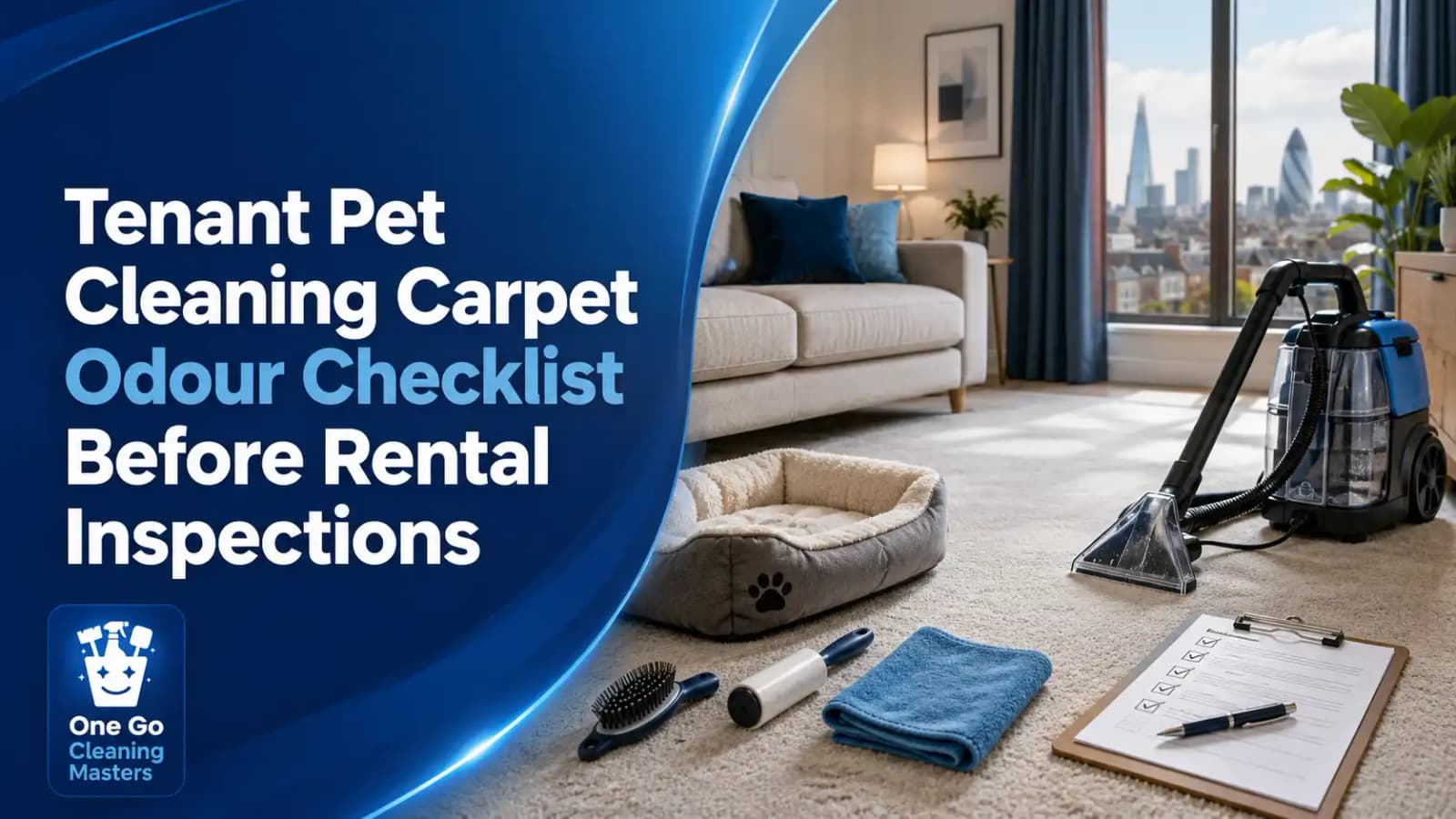
A tenant pet cleaning carpet odour checklist helps London renters prepare carpets, sofas, rugs and pet areas before a landlord or letting-agent inspection.
From 1 May 2026, private renting rules changed in England. Tenants can ask in writing to keep a pet, and landlords must consider the request fairly. However, this is not automatic permission to keep any pet, and tenants should still follow their tenancy agreement and any written conditions attached to pet consent.
Before an inspection, remove pet hair, clean litter or feeding areas, check carpets for urine marks, inspect sofas and rugs, control odours, and photograph the condition of each room.
Routine cleaning may be enough for surface hair and light odour. However, recurring urine smell, old stains or residue below the carpet surface may need professional pet stain and odour treatment.
The official GOV.UK Renters’ Rights Act overview for tenants explains the new right to request a pet and other changes that started on 1 May 2026.
This article provides cleaning guidance, not legal advice.
Book Pet Stain & Odour Removal with OneGo Cleaning Masters. Call or WhatsApp +44 7570 563799.
What Changed for Tenants Who Want to Keep Pets?
From 1 May 2026, tenants in England gained a clearer right to ask their landlord for permission to keep a pet.
“Renters now have a right to request a pet, but the landlord can still refuse where there is a fair and valid reason.”
The request should be made in writing and should describe the pet. For example, the tenant may need to explain:
- what type of animal it is
- the pet’s approximate size
- how much space it needs
- whether it is house-trained
- whether it will live in an enclosure
- any other information the landlord reasonably requests
The landlord must consider the request. If the landlord refuses, they should explain the reason.
However, tenants should not assume that the new rules allow them to bring a pet into the property without permission. Keeping a pet without the required consent may still breach the tenancy agreement.
What the Change Does Not Mean
The new rules do not mean:
- every property must accept every pet
- tenants can ignore their tenancy agreement
- pet-related damage becomes normal wear and tear
- landlords must overlook serious odour or hygiene issues
- inspections are no longer allowed
- tenants cannot be asked to address damage caused by a pet
- professional cleaning is legally required in every case
The practical cleaning position remains simple: keep the property reasonably clean, deal with pet accidents promptly and document the condition before inspections.
Why Pet Cleaning Matters Before a Rental Inspection
Rental inspections usually focus on the condition of the property, not whether a tenant’s home looks like a showroom.
“Before an inspection, concentrate on pet-related changes that are visible, noticeable by smell or likely to worsen if left untreated.”
A landlord or agent may notice:
- pet hair on carpets or sofas
- urine or toilet-training marks
- lingering animal odour
- stained rugs
- dirty feeding areas
- scratched doors or skirting boards
- litter around trays
- muddy paw marks
- pet bedding smell
- damage around garden or balcony doors
Some of these issues are cleaning problems. Others may be repair or damage issues.
For example, vacuuming can remove loose hair. However, cleaning cannot repair scratched wood, torn carpet fibres or damaged sofa fabric.
Therefore, tenants should separate cleaning needs from repair needs before the inspection.
Common Pet Carpet Issues in London Rental Flats
Carpets often hold the strongest signs of pet use because hair, dander, soil and accident residue settle into the fibres.
“Pet carpet odour often returns when the source has reached the carpet backing or underlay.”
Common issues include:
| Pet Carpet Issue | Likely Cause | First Action |
|---|---|---|
| Loose pet hair | Daily shedding | Vacuum slowly in more than one direction |
| Muddy paw marks | Walks during wet weather | Let heavy mud dry, then lift loose soil |
| Localised urine smell | House-training accident or marking | Blot fresh moisture and avoid rubbing |
| Recurring odour | Residue below the surface | Consider professional assessment |
| Dark traffic area | Pet and human foot traffic | Vacuum and inspect for residue |
| Food crumbs | Feeding near carpet | Vacuum and move feeding zone if possible |
| Water marks | Spilled drinking bowl | Dry promptly and improve airflow |
| Carpet-edge hair | Hair collecting near skirting boards | Use a crevice tool |
| Flea-treatment residue | Product transferred from pet or bedding | Follow product guidance and avoid mixing chemicals |
| Stale room smell | Hair, bedding, poor airflow and old accidents | Clean the whole pet zone, not only the carpet |
In compact London flats, pet bedding, feeding bowls and carpeted living areas may sit close together. As a result, odour can spread across one room quickly.
How Should Tenants Remove Pet Hair Before an Inspection?
Pet hair should be removed from carpets, sofas, rugs, curtains, skirting edges and under furniture.
“Pet hair looks more serious during an inspection when it has collected in corners, sofa seams and carpet edges.”
Start with dry cleaning tasks before using any moisture.
First, clear toys, bowls and pet bedding from the floor.
Next, vacuum carpets slowly.
Then, vacuum in a second direction if the carpet allows it.
After that, use an upholstery attachment on sofas and fabric chairs.
Finally, use a crevice tool around skirting boards and furniture edges.
Pet Hair Cleaning Checklist
- Vacuum the entrance and hallway.
- Clean under the sofa and bed.
- Vacuum sofa cushions on both sides.
- Check cushion seams.
- Clean rug edges.
- Remove hair from curtains where suitable.
- Wash pet blankets according to their labels.
- Clean the pet carrier.
- Wipe hard floors with a suitable method.
- Check clothes and throws stored near pet areas.
Avoid using wet cloths on large amounts of loose hair because they can push hair deeper into carpet or upholstery fibres.
What Causes Pet Odour to Remain After Cleaning?
Pet odour may remain when the visible surface has been cleaned but the original source is still present.
“A room spray can change the smell temporarily, but it does not remove urine residue, dirty bedding or contamination below carpet fibres.”
Recurring pet odour may come from:
- urine in carpet backing
- affected underlay
- repeated marking in the same place
- old accidents under furniture
- pet bedding
- sofa cushion filling
- rugs placed over affected carpet
- litter trays
- feeding mats
- damp pet towels
- blocked ventilation
- unwashed throws
- hard-floor joints
Therefore, tenants should identify the source before adding fragrance.
If the smell becomes stronger during warm or humid weather, hidden residue may be reacting to moisture in the air.
What Should You Do After a Fresh Pet Accident?
Fresh pet accidents should be handled quickly, but the area should not be scrubbed or soaked.
“Blot fresh pet accidents; rubbing can spread the affected area and push residue deeper.”
Use this order:
- Remove any solid material carefully.
- Blot liquid with clean white cloths or kitchen roll.
- Work from the outside towards the centre.
- Avoid rubbing the carpet or sofa fabric.
- Use only a controlled amount of suitable cleaning solution.
- Do not mix cleaning chemicals.
- Allow the area to dry fully.
- Keep the pet away until the area is dry.
- Check whether the smell returns.
- Consider professional treatment if residue remains.
Do not pour large amounts of water onto the area. Excess moisture can spread urine into the backing or underlay and make drying more difficult.
Before-Inspection Cleaning Checklist for Tenants With Pets
A room-by-room checklist helps tenants focus on practical evidence instead of panic-cleaning the whole property.
“Inspection preparation works best when you clean, inspect and photograph one room at a time.”
Entrance and Hallway
- Remove pet hair from mats.
- Vacuum hallway carpets.
- Wipe muddy paw marks.
- Check doors and skirting boards.
- Store leads, coats and pet equipment neatly.
- Clean the area around the entrance.
Living Room
- Vacuum carpets slowly.
- Check sofa arms and cushions.
- Remove hair from fabric furniture.
- Inspect rugs for marks.
- Wash pet throws where suitable.
- Clean around feeding bowls.
- Check for repeated marking areas.
- Air the room after cleaning.
Bedrooms
- Remove pets from guest beds if required.
- Wash pet-accessed bedding.
- Vacuum carpet edges.
- Check under beds.
- Inspect mattresses if pets sleep on them.
- Remove hair from curtains and upholstered headboards where suitable.
Kitchen and Feeding Area
- Wash feeding bowls.
- Clean feeding mats.
- Wipe food splashes.
- Remove scattered dry food.
- Check skirting boards.
- Empty and clean pet-food storage areas.
Bathroom or Utility Area
- Remove damp pet towels.
- Clean the bath or shower after pet washing.
- Check drains for pet hair.
- Wash grooming equipment.
- Dry the floor fully.
Balcony or Garden Access
- Remove mud from door tracks.
- Clean paw marks from flooring.
- Check carpet near the doorway.
- Remove pet waste.
- Clean artificial grass or outdoor pet areas where suitable.
Carpet Cleaning for Pet Owners Before Inspections
Routine vacuuming can remove loose hair, crumbs and some dry dirt. However, it does not always remove old stains or odour below the surface.
“Professional carpet cleaning may help when normal vacuuming no longer improves the appearance or smell of a pet-used room.”
OneGo Cleaning Masters provides carpet cleaning London for rented flats, family homes and pet-friendly properties.
Carpet cleaning may be useful when:
- pet hair remains after routine vacuuming
- traffic areas look dull
- muddy paw marks are visible
- old food residue remains
- carpet smells stale
- light surface stains need treatment
- the property is being prepared for inspection
However, standard carpet cleaning may not fully resolve deep urine contamination in the underlay or subfloor. In those cases, targeted assessment is important.
When Pet Stain and Odour Treatment Is More Suitable
Pet stain and odour treatment is more focused than general vacuuming or routine surface cleaning.
“Targeted odour treatment is most useful when the smell has a clear source rather than a general dusty-room odour.”
OneGo Cleaning Masters provides pet stain and odour removal for suitable carpets and soft furnishings in London.
It may help when:
- a pet has urinated on carpet
- the same area has been marked more than once
- a stain remains after basic cleaning
- odour returns after the carpet dries
- guests or agents notice the smell
- pet bedding has affected nearby carpet
- a rented room needs preparation before inspection
Results depend on the stain age, material, depth of contamination, previous products and whether residue has reached the underlay or flooring.
No cleaner should guarantee complete odour removal without first understanding the source and condition.
Sofa Cleaning for Pet-Friendly Rental Homes
Sofas can hold hair, body oils, paw marks, saliva, food crumbs and pet odour.
“Sofa odour often sits in cushion seams, armrests and the areas where a pet sleeps repeatedly.”
Before an inspection:
- remove and vacuum loose cushions
- clean between seat cushions
- check sofa arms
- inspect the back of the sofa
- wash removable throws
- remove pet toys
- check for scratch damage
- smell-test the sofa after airing the room
For suitable fabrics, sofa cleaning in London may help with pet hair, surface marks, stale fabric odour and normal household build-up.
However, sofa cleaning cannot repair claw damage, torn covers, broken zips or damaged cushion filling.
Area Rug Cleaning for Pet Hair, Marks and Odour
Rugs can hide pet stains because residue may pass through the rug and affect the carpet or floor below.
“Always inspect both sides of a pet-used rug and the flooring underneath it.”
Before cleaning a rug:
- Move it carefully.
- Check the underside.
- Inspect the floor or carpet below.
- Look for damp patches.
- Check whether the smell comes from the rug or floor.
- Photograph visible marks.
- Confirm the rug material before treatment.
OneGo Cleaning Masters provides area rug cleaning for suitable rugs in London homes and rental flats.
Delicate wool, viscose, silk, jute, handmade or colour-sensitive rugs may need special assessment before cleaning.
Cleaning, Damage or Fair Wear and Tear: What Should Tenants Check?
Pet-related cleaning, property damage and ordinary wear are not the same issue.
“Cleaning can improve hair, dirt and odour, but it cannot reverse physical damage to flooring, doors or furniture.”
Use this practical distinction:
| Condition | Usually a Cleaning Issue | May Be Damage or Repair Issue |
| Loose pet hair | Yes | No |
| Light muddy paw marks | Yes | No |
| Food crumbs | Yes | No |
| Washable pet bedding smell | Yes | No |
| Surface carpet odour | Often | Sometimes |
| Deep urine in underlay | Sometimes | Possibly |
| Scratched door | No | Yes |
| Torn carpet fibres | No | Yes |
| Chewed skirting board | No | Yes |
| Damaged sofa fabric | No | Yes |
| Broken blind or curtain | No | Yes |
| Permanent floor staining | Limited | Possibly |
Tenants should compare the current condition with the check-in inventory, photographs, tenancy agreement and any written pet permission.
This article does not determine legal responsibility or deposit outcomes. If there is a disagreement, tenants and landlords should use the relevant evidence and seek appropriate housing or legal guidance.
What Evidence Should Tenants Keep Before an Inspection?
Good records can reduce confusion about what was cleaned, what existed before and what still needs attention.
“Clear photographs and written records are more useful than relying on memory after an inspection.”
Before the inspection:
- photograph each room in daylight
- take close-ups of previously marked areas
- keep cleaning invoices
- save written pet permission
- retain messages about known property issues
- compare the condition with the inventory
- photograph landlord-owned sofas or rugs
- record existing scratches or wear
- report damp or repair problems separately
- keep communication polite and factual
Do not edit photographs in a way that changes the apparent condition.
Common Mistakes Tenants Make Before Pet Inspections
Hiding Odour With Fragrance
Strong fragrance can mix with pet odour rather than remove it.
Cleaning Only the Visible Middle of the Carpet
Pet hair and residue often collect near walls, furniture and doors.
Soaking Urine Marks
Too much liquid may spread contamination into the carpet backing.
Ignoring Rugs
A rug can hide marks on both the rug and the floor underneath.
Forgetting Sofa Seams
Hair, crumbs and odour collect between cushions.
Leaving Pet Bedding Until Last
Dirty bedding can make a cleaned room smell stale again.
Treating Scratches as a Cleaning Problem
Cleaning cannot repair physical damage.
Keeping a Pet Without the Required Permission
The post-May 2026 changes provide a right to request a pet, not an automatic right to ignore the tenancy terms.
Waiting Until Inspection Day
Deep cleaning, stain treatment and drying need time.
DIY Cleaning or Professional Pet Odour Treatment?
Light pet use can often be managed with regular cleaning. However, persistent stains or smells may need specialist attention.
| Situation | DIY Cleaning May Be Enough | Professional Treatment May Help |
| Loose hair | Yes | Usually not needed |
| Fresh muddy paws | Yes | If staining remains |
| Clean pet bedding needed | Yes | No |
| Light surface smell | Often | If it returns |
| Old urine mark | Limited | Yes |
| Repeated marking | Limited | Yes |
| Sofa pet odour | Maybe | Yes |
| Rug odour | Maybe | Yes |
| Underlay contamination | No | Assessment needed |
| Physical scratching | No | Repair needed |
| Inspection in a few days | Maybe | Useful if deeper problems remain |
Professional cleaning is most suitable when the issue is within the service’s scope and the material can be treated safely.
When Should London Tenants Book Pet Odour Cleaning?
Book early enough to allow inspection, treatment and drying before the landlord or agent arrives.
“Booking at the last minute can limit treatment options and leave too little time for carpets or upholstery to dry.”
Consider booking when:
- routine cleaning has not removed the smell
- an old urine mark has returned
- several carpet areas are affected
- the sofa holds pet odour
- rugs need inspection and cleaning
- the property has an upcoming inspection
- tenants are preparing to move
- a landlord has raised a specific cleaning concern
- the home smells different after being closed
- pet hair has built up across several rooms
Service suitability, availability and final prices should be confirmed directly. Cost may depend on room size, material, stain age, odour depth, access and the number of affected areas.
AEO Direct Answer: What Should a Tenant With Pets Clean Before an Inspection?
Before a rental inspection, tenants with pets should remove hair from carpets and sofas, wash pet bedding, clean feeding and litter areas, check rugs and flooring, treat fresh accidents, control odour and photograph each room.
If urine smell or staining remains after routine cleaning, targeted pet stain and odour treatment may help.
Cleaning does not replace repair where a pet has scratched, chewed or torn the property.
Before you book
The Renters’ Rights changes that started on 1 May 2026 give tenants in England a clearer right to request a pet. However, permission, tenancy conditions and property care still matter.
Before an inspection, focus on the signs that pet use leaves behind: carpet hair, sofa odour, rug marks, litter areas, feeding zones, muddy paws and recurring accident smells.
First, complete routine cleaning. Next, inspect the property in daylight. Then, photograph each room. Finally, book professional treatment if stains or odours remain beyond normal household cleaning.
OneGo Cleaning Masters provides pet stain and odour treatment, carpet cleaning, sofa cleaning and area rug cleaning for suitable London properties.
Book Pet Stain & Odour Removal with OneGo Cleaning Masters. Call or WhatsApp +44 7570 563799.
FAQs
What changed for tenants with pets from 1 May 2026?
Tenants in England can ask their landlord in writing for permission to keep a pet. The landlord must consider the request and cannot refuse without a fair reason. This is a right to request, not automatic permission.
Can a landlord still refuse a pet after the Renters’ Rights changes?
Yes. A landlord may refuse where there is a fair reason, such as the property being unsuitable or another relevant restriction applying. The tenant should receive an explanation for the refusal.
Does pet permission remove a tenant’s cleaning responsibilities?
No. Pet permission does not remove the need to follow the tenancy agreement, keep the property reasonably clean or address pet-related marks and odours.
What does a tenant pet cleaning carpet odour checklist include?
It includes vacuuming carpets, removing hair, washing pet bedding, checking urine marks, cleaning feeding and litter areas, inspecting sofas and rugs, controlling odours and photographing each room.
How can I remove pet hair from a carpet before an inspection?
Vacuum slowly in more than one direction, use a crevice tool around skirting boards and furniture, and check under sofas, beds and rugs. Clean the vacuum filter or bag as required.
Why does pet urine smell return after carpet cleaning?
Odour may return if urine has reached the carpet backing, underlay or flooring. Humidity can also make old residue more noticeable. A targeted assessment may be needed.
Should I use air freshener before a landlord inspection?
Air freshener may cover odour briefly, but it does not remove the source. Clean pet bedding, carpets, sofas, litter areas and accident spots first.
Can professional cleaning remove every pet stain and smell?
No. Results depend on the material, stain age, odour depth, previous products and whether contamination has reached the underlay or flooring. Complete removal cannot be guaranteed without assessment.
Should I clean a landlord-owned sofa or rug myself?
Check your tenancy agreement, inventory and fabric-care requirements first. Delicate or landlord-owned items may need approval or professional assessment before treatment.
When should I book pet odour removal in London?
Book when pet smell or staining remains after routine cleaning, especially before an inspection, check-out or landlord visit. Allow enough time for assessment and drying.
Can cleaning repair pet scratches or chewed skirting boards?
No. Cleaning can address dirt, hair, residue and some stains, but it cannot repair physical damage. Scratches, tears and chewed surfaces may require repair.
How do I book pet stain and odour removal with OneGo Cleaning Masters?
Call or WhatsApp +44 7570 563799. Share your London postcode, affected rooms, surface type, pet issue, stain age, products already used, access details and inspection date.